Credit to Author: Charlotte Williams| Date: Tue, 27 Feb 2018 17:20:20 +0000
As part of the Tech She Can Charter, we are committing to tackling the shortage of women in the tech industry.<img src=”http://feeds.feedburner.com/~r/sophos/dgdY/~4/7rU6p065JyQ” height=”1″ width=”1″ alt=””/>
Credit to Author: Jenny Chang, Chief Cultural Officer (CCO)| Date: Tue, 27 Feb 2018 15:23:28 +0000
Trend Micro has been at the cutting edge of technology innovation for almost 30 years. During that time, we’ve always had to have a keen eye on what’s coming next — anticipating threats so we can keep our customers protected, whatever comes their way. But we also recognize that in our race for the modern,…
With the General Data Protection Regulation (GDPR) deadline fast approaching, host Steve Ragan explores the implications of noncompliance for companies — and possible penalties — with Greg Reber, founder/CEO of AsTech Consulting.
Credit to Author: Preksha Saxena| Date: Tue, 27 Feb 2018 09:59:54 +0000
Cryptocurrencies are all the vogue now. This has resulted in the emergence of increasing cryptocurrency mining activities. Several platforms make mining services available to users. One such platform that provides JavaScript cryptocurrency miners for websites is CoinHive. Recently, we have analyzed a virus that infects user files with mining scripts. CoinHive is…
Credit to Author: BrianKrebs| Date: Mon, 26 Feb 2018 19:28:41 +0000
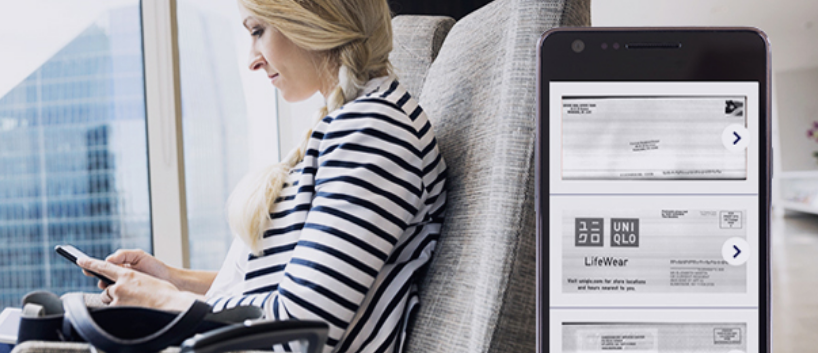
In October 2017, KrebsOnSecurity warned that ne’er-do-wells could take advantage of a relatively new service offered by the U.S. Postal Service that provides scanned images of all incoming mail before it is slated to arrive at its destination address. We advised that stalkers or scammers could abuse this service by signing up as anyone in the household, because the USPS wasn’t at that point set up to use its own unique communication system — the U.S. mail — to alert residents when someone had signed up to receive these scanned images. The USPS recently told this publication that beginning Feb. 16 it started alerting all households by mail whenever anyone signs up to receive these scanned notifications of mail delivered to that address. The notification program, dubbed “Informed Delivery,” includes a scan of the front and back of each envelope or package destined for a specific address.


 Trend Micro has been at the cutting edge of technology innovation for almost 30 years. During that time, we’ve always had to have a keen eye on what’s coming next — anticipating threats so we can keep our customers protected, whatever comes their way. But we also recognize that in our race for the modern,…