Computer Security Articles
RSS Reader for Computer Security Articles
Author: admin

Glowing Nanoparticle Ink Could Lead to Easy DIY Holograms
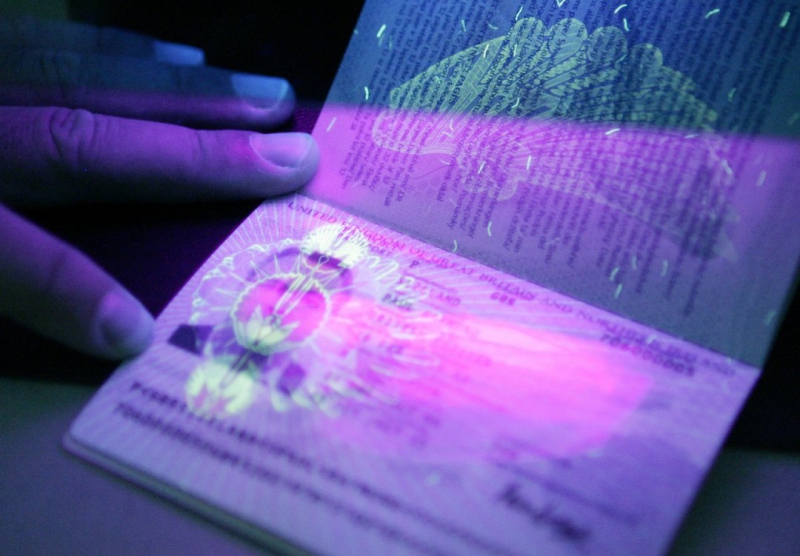
Credit to Author: Becky Ferreira| Date: Tue, 05 Sep 2017 15:22:32 +0000
Want to make phosphorescent ink? Dope it with some europium.
Read MoreThe Mission to Archive Nintendo’s Dying Social Media Platform

Credit to Author: Matthew Gault| Date: Tue, 05 Sep 2017 15:03:15 +0000
All those ‘Splatoon’ memes may soon have a new home.
Read MoreRehashed RAT Used in APT Campaign Against Vietnamese Organizations

Credit to Author: Jasper Manuel, Artem Semenchenko| Date: Tue, 05 Sep 2017 15:30:00 +0000
Early last week, FortiGuard Labs came across several malicious documents that exploit the vulnerability CVE-2012-0158. To evade suspicion from the victim, these RTF files drop decoy documents containing politically themed texts about a variety of Vietnamese government-related information.
Read MoreWho Is Marcus Hutchins?

Credit to Author: BrianKrebs| Date: Tue, 05 Sep 2017 10:50:03 +0000
In early August 2017, FBI agents in Las Vegas arrested 23-year-old U.K. resident Marcus Hutchins on suspicion of authoring and/or selling “Kronos,” a strain of malware designed to steal online banking credentials. Hutchins was virtually unknown to most in the security community until May 2017, when a British newspaper revealed him as the “accidental hero” who inadvertently halted the global spread of WannaCry, a ransomware contagion that had taken the world by storm just days before. Relatively few knew it before his arrest, but Hutchins for many years authored the popular cybersecurity blog MalwareTech. When this fact became more widely known — combined with his hero status for halting Wannacry — a great many MalwareTech readers quickly leapt to his defense to denounce his arrest. They reasoned that the government was overstepping on flimsy evidence, noting that Hutchins has worked tirelessly to expose cybercriminals and their malicious tools. To date, some 226 supporters have donated more than $14,000 to his defense fund. At first, I did not believe the charges against Hutchins would hold up under scrutiny. But as I began to dig deeper into the history tied to dozens of hacker forum pseudonyms, email addresses and domains he apparently used over the past decade, a very different picture began to emerge. In this post, I will attempt to describe and illustrate more than three weeks’ worth of connecting the dots from what appear to be Hutchins’ earliest hacker forum accounts to his real-life identity. The clues suggest that Hutchins began developing and selling malware in his mid-teens — only to later develop a change of heart and earnestly endeavor to leave that part of his life squarely in the rearview mirror.
Read MoreWhen an AI Invents Diseases, You End Up With ‘Penis Arthritis’

Credit to Author: Kaleigh Rogers| Date: Tue, 05 Sep 2017 13:06:20 +0000
Research scientist Janelle Shane trained a neural network to make up fake diseases.
Read MoreEdith Wharton, Identity Theft, and the GDPR
Credit to Author: William “Bill” Malik (CISA VP Infrastructure Strategies)| Date: Tue, 05 Sep 2017 12:00:23 +0000
 During one of my talks for Garter, I asked the audience, “How many of you have ever had anything stolen?” Many hands went up. Then I asked, “How did you know it was stolen?” The answers generally offered, “I looked for it, and it wasn’t there.” Data theft, and in particular identity theft, is different….
One State’s Bail Reform Exposes the Promise and Pitfalls of Tech-Driven Justice

Credit to Author: Issie Lapowsky| Date: Tue, 05 Sep 2017 11:00:00 +0000
In its quest to eliminate bail, New Jersey has turned to tech tools that speed up the process of deciding who does and doesn’t await trial behind bars.
Read More