Computer Security Articles
RSS Reader for Computer Security Articles
ComputerWorld

Google pushed developers to fix security flaws in 275K Android apps

Over the past two years, Google has pressured developers to patch security issues in more than 275,000 Android apps hosted on its official app store. In many cases this was done under the threat of blocking future updates to the insecure apps.
Since 2014, Google has been scanning apps published on Google Play for known vulnerabilities as part of its App Security Improvement (ASI) program. Whenever a known security issue is found in an application, the developer receives an alert via email and through the Google Play Developer Console.
[To comment on this story, visit Computerworld’s Facebook page.]
To read this article in full or to leave a comment, please click here
Trump nominee suggests IRS cybersecurity and staffing boosts
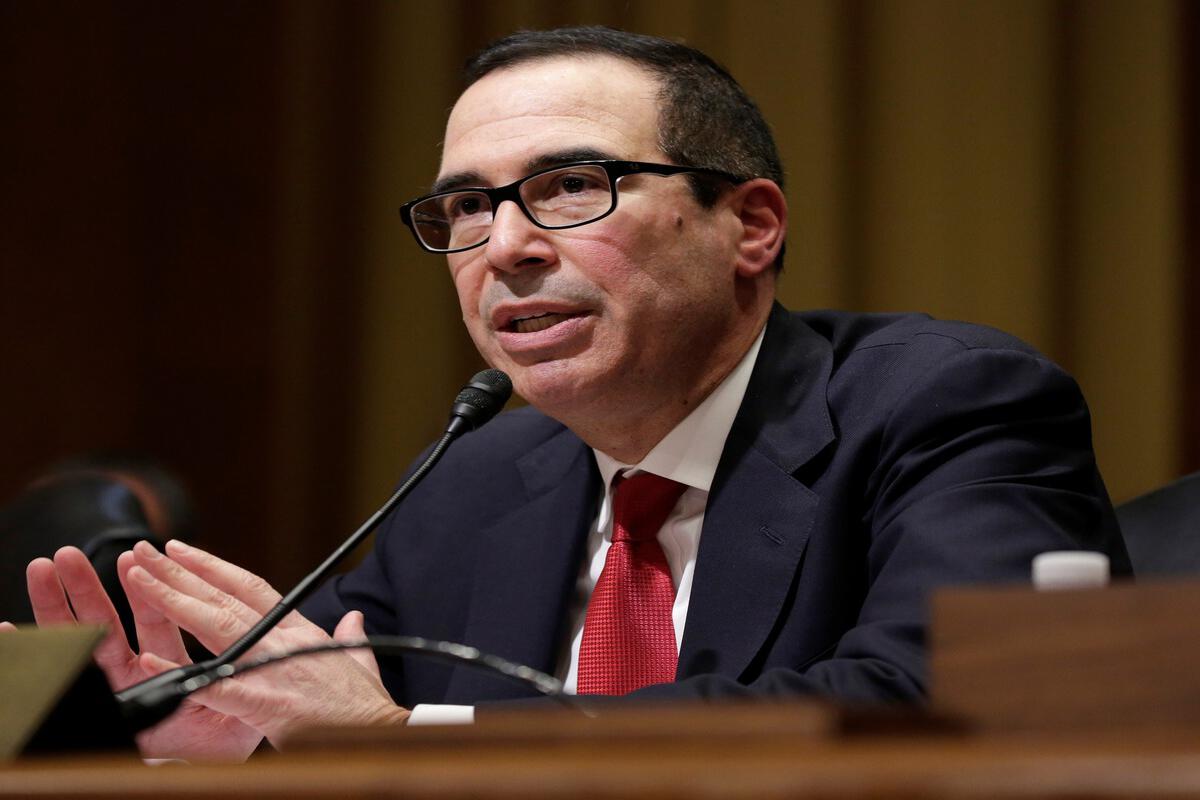
Cybersecurity and staffing upgrades at the Internal Revenue Service appear to be in store, assuming Steven Mnuchin is confirmed as Treasury Secretary in the new Trump Administration.
Mnuchin, a former CIO and executive vice president for Goldman Sachs, told senators in a five-hour confirmation hearing on Thursday that he is “very concerned about the lack of first-rate technology at the IRS” as well as staff cuts in recent years. Mnuchin is expected to be confirmed, and would likely work with Trump to pick the next IRS director.
To read this article in full or to leave a comment, please click here
Microsoft’s standing to sue over secret U.S. data requests in doubt

Microsoft’s lawsuit objecting to the indiscriminate use by U.S. law enforcement of orders that demand user data without the opportunity to inform the customer may run into questions about the software giant’s standing to raise the issue on behalf of its customers.
A government motion to dismiss Microsoft’s complaint comes up for oral arguments Monday and significantly the judge said on Thursday that the issue of whether Fourth Amendment rights are personal or can be “vicariously” asserted by third-parties on behalf of their customers would have to be addressed by both sides. The Fourth Amendment to the U.S. Constitution prohibits unreasonable searches and seizure of property.
To read this article in full or to leave a comment, please click here