How to set up Microsoft Teams for security and compliance
These are the security and compliance decisions you need to make when deploying Microsoft Teams.
RSS Reader for Computer Security Articles
These are the security and compliance decisions you need to make when deploying Microsoft Teams.
Credit to Author: BrianKrebs| Date: Tue, 10 Sep 2019 20:09:11 +0000
Microsoft today issued security updates to plug some 80 security holes in various flavors of its Windows operating systems and related software. The software giant assigned a “critical” rating to almost a quarter of those vulnerabilities, meaning they could be used by malware or miscreants to hijack vulnerable systems with little or no interaction on the part of the user.
Read More
Credit to Author: JR Raphael| Date: Tue, 10 Sep 2019 08:23:00 -0700
Well, gang, it’s here. In case you’ve been hibernating over the past week (or maybe just, ahem, on an unfortunately timed week off), Google brought Android 10 into this wacky ol’ world of ours this past Tuesday.
There’s really only so much to say about the Android 10 basics at this point — because, quite frankly, it’s the same software we’ve seen evolving in plain view over the past several months.
Yes, Android 10 has new gestures for getting around your phone. Yes, it has a new system-wide switch for making the entire operating system dark. And yes, it has a nifty new Focus Mode for limiting distractions on an app-by-app basis.
Credit to Author: BrianKrebs| Date: Mon, 09 Sep 2019 16:47:56 +0000
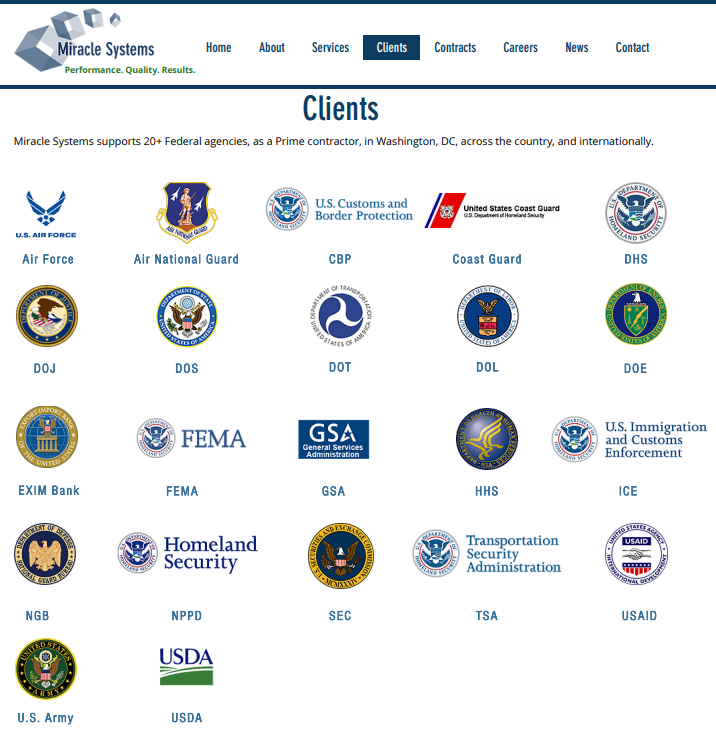
The U.S. Secret Service is investigating a breach at a Virginia-based government technology contractor that saw access to several of its systems put up for sale in the cybercrime underground, KrebsOnSecurity has learned. The contractor claims the access being auctioned off was to old test systems that do not have direct connections to its government partner networks. In mid-August, a member of a popular Russian-language cybercrime forum offered to sell access to the internal network of a U.S. government IT contractor that does business with more than 20 federal agencies, including several branches of the military. The seller bragged that he had access to email correspondence and credentials needed to view databases of the client agencies, and set the opening price at six bitcoins (~USD $60,000).
Read More
Credit to Author: Woody Leonhard| Date: Fri, 06 Sep 2019 11:33:00 -0700
There’s been a lot of discussion about BlueKeep, its ramifications and various strategies for blocking it. In a nutshell, it’s a security hole in the Windows Remote Desktop Protocol that allows a malicious program to enter your machine – if you have Remote Dekstop turned on, it’s accessible directly from the internet, and you haven’t installed the May patches.
Two weeks ago, Susan Bradley posted a CSO article that details ways admins can avoid using RDP. I’ve seen reams of advice about blocking ports, disabling services, setting authentication levels, deploying voodoo dolls, reading chicken entrails…, but the simplest way for almost everybody to avoid the problem is to install the May (or later) Windows patches.

The California Consumer Privacy Act (CCPA) is, in some ways, similar to Europe's GDPR. This rule, which goes into effect in 2020, gives individual users more ownership over their own data. Users can even refuse to allow companies to sell their online data. As the compliance deadline approaches, CSO Online contributor Maria Kolokov and senior editor Michael Nadeau discuss with Juliet how CCPA may shift business models, change online behavior and reveal where exactly our data has been. Some tech companies, like Google, are even trying to exempt themselves from regulation. Failure to adhere to the rule could be an "extinction level" event.
Credit to Author: Woody Leonhard| Date: Fri, 06 Sep 2019 08:16:00 -0700
August brought loads of drama to the Windows and Office patching scene. Microsoft’s first round of patches killed Visual Basic, Visual Basic for Applications and VBScript in certain situations — on all versions of Windows. Fixes for the bugs dribbled out three, four, six and 17 days after the original infection.
Those Microsoft-introduced bugs were all the more daunting because the August patches are the ones intended to protect us from DejaBlue — the recently announced “wormable” malware infection vector that (thankfully!) has yet to be exploited. The mainstream press picked up the Chicken Little cry to install August patches right away. Then the buggy offal hit the impeller, and the press fell silent.

The FTC hit yet another tech company with a seemingly massive fine for mishandling user data. This time, YouTube, owned by Google, is forced to pay $170 million for collecting data about children under 13 without parental consent. The Federal Trade Commission slapped Facebook with a $5 billion fine just a few months ago. In this episode of TECH(feed), Juliet asks whether or not these fines are effective in regulating the tech industry.