Ex-NSA Hackers Are Not Surprised by Bombshell Kaspersky Report

Credit to Author: Lorenzo Franceschi-Bicchierai| Date: Fri, 06 Oct 2017 14:21:16 +0000
Former NSA hackers respond to the revelation of yet another breach at the spy agency.
Read MoreRSS Reader for Computer Security Articles
Credit to Author: Lorenzo Franceschi-Bicchierai| Date: Fri, 06 Oct 2017 14:21:16 +0000
Former NSA hackers respond to the revelation of yet another breach at the spy agency.
Read More
Credit to Author: Carter Scholz| Date: Fri, 06 Oct 2017 14:00:00 +0000
The price we’d pay for using technology to indefinitely cool the planet.
Read More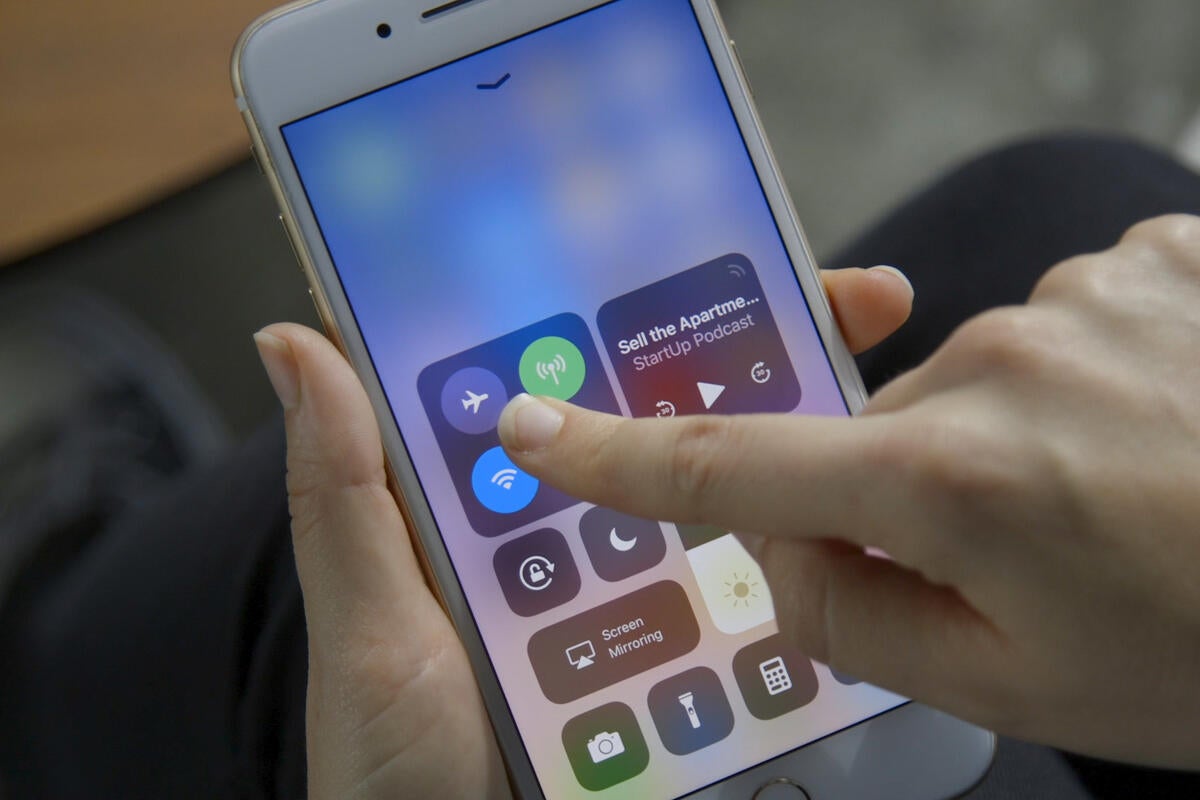
Credit to Author: Jonny Evans| Date: Fri, 06 Oct 2017 06:44:00 -0700
Many iPhone and iPad users are annoyed at Apple’s decision to change the way Control Center’s Wi-Fi and Bluetooth controls work, as they no longer work. Fortunately, you can still switch connectivity off quite easily.
Apple in iOS 11 decided that when you tap the Wi-Fi or Bluetooth buttons in Control Center, the system now will disconnect you from any devices or networks you are currently on but no longer truly switches Wi-Fi or Bluetooth off.
This means that even though you thought you switched them off, they remain active for things like AirDrop, AirPlay, Continuity, Hotspot, Location services and devices such as the Apple Watch and Pencil.
To read this article in full or to leave a comment, please click here
Credit to Author: Rajib Singha| Date: Fri, 06 Oct 2017 14:12:03 +0000
Every year around this time, every corner in the country lights up with a warm and balmy glow of candles, diyas, and slow flickering lamps. A distinct sound tears through the hustle of crowded streets and busy roads – the familiar boom of crackers lightning up the night sky and…
The post This Diwali, let’s think beyond sweets and lamps for gifting our loved ones. Let’s think security appeared first on Quick Heal Technologies Security Blog | Latest computer security news, tips, and advice.
Read More
Credit to Author: Susan Biddle| Date: Fri, 06 Oct 2017 12:50:59 +0000
Cybercriminals have increasingly taken notice of schools and universities as profitable targets for cyberattacks. A key reason for this is the types of information schools keep on students, parents, and staff. Typically, upon infiltrating an institution’s network, cybercriminals will probe for, find, and exfiltrate valuable user data. This could be anything from health records, financial information, or any other personally identifiable information, such as social security numbers. Cybercriminals typically then take this data and sell it…
Read MoreCredit to Author: Yaroslava Ryabova| Date: Fri, 06 Oct 2017 13:00:07 +0000
What if you could pay with your personal data for goods – as if it was some sort of currency? Sounds attractive… or scary?
Read More
Credit to Author: Emanuel Maiberg| Date: Fri, 06 Oct 2017 12:42:43 +0000
Warning: this story contains graphic images.
Read More
Credit to Author: Preston Gralla| Date: Fri, 06 Oct 2017 04:20:00 -0700
Windows has long been the world’s biggest malware draw, exploited for decades by attackers. It continues today: The Carbon Black security firm analyzed 1,000 ransomware samples over the last six months and found that nearly 99% of them targeted Windows.
That’s not news for IT administrators, of course. But this might be: Linux and other open-source software are emerging as serious malware targets. Several recent highly publicized attacks exploit holes in open-source software that many enterprise admins once considered solidly safe.
To read this article in full or to leave a comment, please click here