Credit to Author: BrianKrebs| Date: Tue, 22 Feb 2022 16:18:57 +0000
Missouri Governor Mike Parson made headlines last year when he vowed to criminally prosecute a journalist for reporting a security flaw in a state website that exposed personal information of more than 100,000 teachers. But Missouri prosecutors now say they… Read More »
Credit to Author: BrianKrebs| Date: Mon, 14 Feb 2022 18:22:38 +0000
In January, KrebsOnSecurity examined clues left behind by “Wazawaka,” the hacker handle chosen by a major ransomware criminal in the Russian-speaking cybercrime scene. Wazawaka has since “lost his mind” according to his erstwhile colleagues, creating a Twitter account to drop exploit code for a widely-used virtual private networking (VPN) appliance, and publishing bizarre selfie videos taunting security researchers and journalists. In last month’s story, we explored clues that led from Wazawaka’s multitude of monikers, email addresses, and passwords to a 30-something father in Abakan, Russia named Mikhail Pavlovich Matveev. This post concerns itself with the other half of Wazawaka’s identities not mentioned in the first story, such as how Wazawaka also ran the Babuk ransomware affiliate program, and later became “Orange,” the founder of the ransomware-focused Dark Web forum known as “RAMP.”
Credit to Author: BrianKrebs| Date: Mon, 07 Feb 2022 20:56:52 +0000
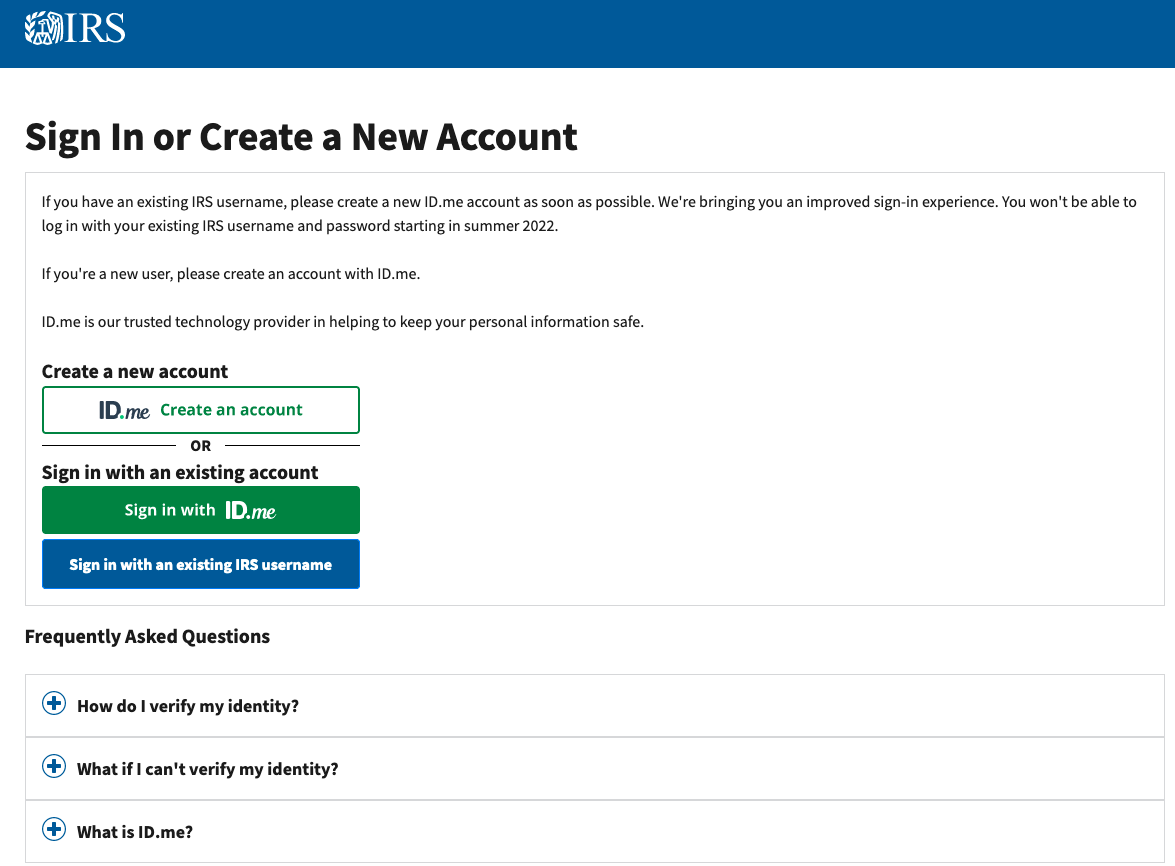
The Internal Revenue Service (IRS) said today it will be transitioning away from requiring biometric data from taxpayers who wish to access their records at the agency’s website. The reversal comes as privacy experts and lawmakers have been pushing the IRS and other federal agencies to find less intrusive methods for validating one’s identity with the U.S. government online.
Credit to Author: BrianKrebs| Date: Thu, 03 Feb 2022 18:49:38 +0000
If you received a link to LinkedIn.com via email, SMS or instant message, would you click it? Spammers, phishers and other ne’er-do-wells are hoping you will, because they’ve long taken advantage of a marketing feature on the business networking site which lets them create a LinkedIn.com link that bounces your browser to other websites, such as phishing pages that mimic top online brands (but chiefly Linkedin’s parent firm Microsoft).
Credit to Author: BrianKrebs| Date: Sat, 29 Jan 2022 18:05:52 +0000
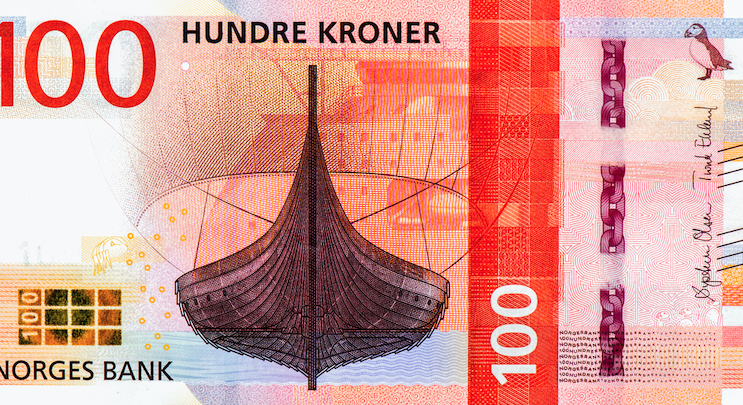
Several articles here have delved into the history of John Bernard, the pseudonym used by a fake billionaire technology investor who’s tricked dozens of start-ups into giving him tens of millions of dollars. Bernard’s latest victim — a Norwegian startup hoping to build a fleet of environmentally friendly shipping vessels — is now embroiled in a lawsuit over a deal gone bad, in which Bernard falsely claimed to have secured $100 million from six other wealthy investors, including the founder of Uber and the artist Abel Makkonen Tesfaye, better known as The Weeknd.
Credit to Author: BrianKrebs| Date: Fri, 28 Jan 2022 13:18:36 +0000
In December 2021, researchers discovered a new ransomware-as-a-service named ALPHV (a.k.a. “BlackCat”), considered to be the first professional cybercrime group to create and use a ransomware strain in the Rust programming language. In this post, we’ll explore some of the clues left behind by the developer who was reputedly hired to code the ransomware variant.
Credit to Author: BrianKrebs| Date: Tue, 25 Jan 2022 19:48:40 +0000
What’s worse than finding out that identity thieves took out a 546 percent interest payday loan in your name? How about a 900 percent interest loan? Or how about not learning of the fraudulent loan until it gets handed off to collection agents? One reader’s nightmare experience spotlights what can happen when ID thieves and hackers start targeting online payday lenders.
Credit to Author: BrianKrebs| Date: Fri, 21 Jan 2022 17:11:36 +0000
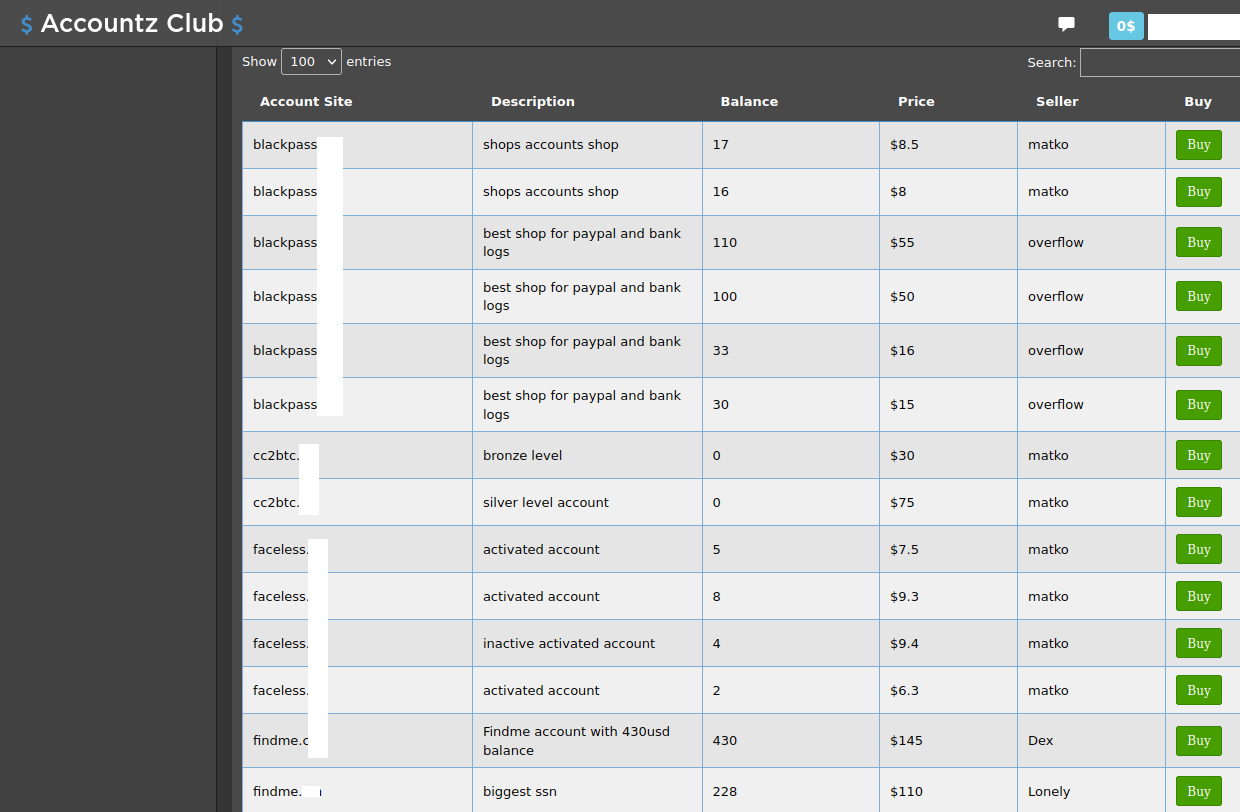
Up for the “Most Meta Cybercrime Offering” award this year is Accountz Club, a new cybercrime store that sells access to purloined accounts at services built for cybercriminals, including shops peddling stolen payment cards and identities, spamming tools, email and phone bombing services, and those selling authentication cookies for a slew of popular websites.