A Little Sunshine

IndependentKrebs

Adrian Lamo, ‘Homeless Hacker’ Who Turned in Chelsea Manning, Dead at 37

Credit to Author: BrianKrebs| Date: Mon, 19 Mar 2018 03:53:12 +0000

Adrian Lamo, the hacker probably best known for breaking into The New York Times’s network and for reporting Chelsea Manning’s theft of classified documents to the FBI, was found dead in a Kansas apartment on Wednesday. Lamo was widely reviled and criticized for turning in Manning, but that chapter of his life eclipsed the profile of a complex individual who taught me quite a bit about security over the years. Adrian Lamo, in 2006. Source: Wikipedia. I first met Lamo in 2001 when I was a correspondent for Newsbytes.com, a now-defunct tech publication that was owned by The Washington Post at the time. A mutual friend introduced us over AOL Instant Messenger, explaining that Lamo had worked out a simple method allowing him to waltz into the networks of some of the world’s largest media companies using nothing more than a Web browser.

Read More
IndependentKrebs

What Is Your Bank’s Security Banking On?

Credit to Author: BrianKrebs| Date: Tue, 06 Mar 2018 21:24:17 +0000

A large number of banks, credit unions and other financial institutions just pushed customers onto new e-banking platforms that asked them to reset their account passwords by entering a username plus some other static identifier — such as the first six digits of their Social Security number, or a mix of partial SSN, date of birth or surname. Here’s a closer look at what may be going on (spoiler: small, regional banks and credit unions have grown far too reliant on the whims of just a few major online banking platform providers). You might think it odd that any self-respecting financial institution would seek to authenticate customers via static data like partial SSN for passwords, and you’d be justified for thinking that, too. Nobody has any business using these static identifiers for authentication because it’s all for sale on most Americans quite easily and cheaply in the cybercrime underground. The Equifax breach might have “refreshed” some of those data stores for identity thieves, but most U.S. adults have had their static details on sale for years now. On Feb. 16, KrebsOnSecurity reader Brent Hoeft shared a copy of an email he’d just received from his financial institution Associated Bank, which at $30+ billion in assets happens to be Wisconsin’s largest by asset size.

Read More
IndependentKrebs

Powerful New DDoS Method Adds Extortion

Credit to Author: BrianKrebs| Date: Fri, 02 Mar 2018 22:41:55 +0000

Attackers have seized on a relatively new method for executing distributed denial-of-service (DDoS) attacks of unprecedented disruptive power, using it to launch record-breaking DDoS assaults over the past week. Now evidence suggests this novel attack method is fueling digital shakedowns in which victims are asked to pay a ransom to call off crippling cyberattacks.

Read More
IndependentKrebs

Bot Roundup: Avalanche, Kronos, NanoCore

Credit to Author: BrianKrebs| Date: Tue, 27 Feb 2018 19:10:52 +0000

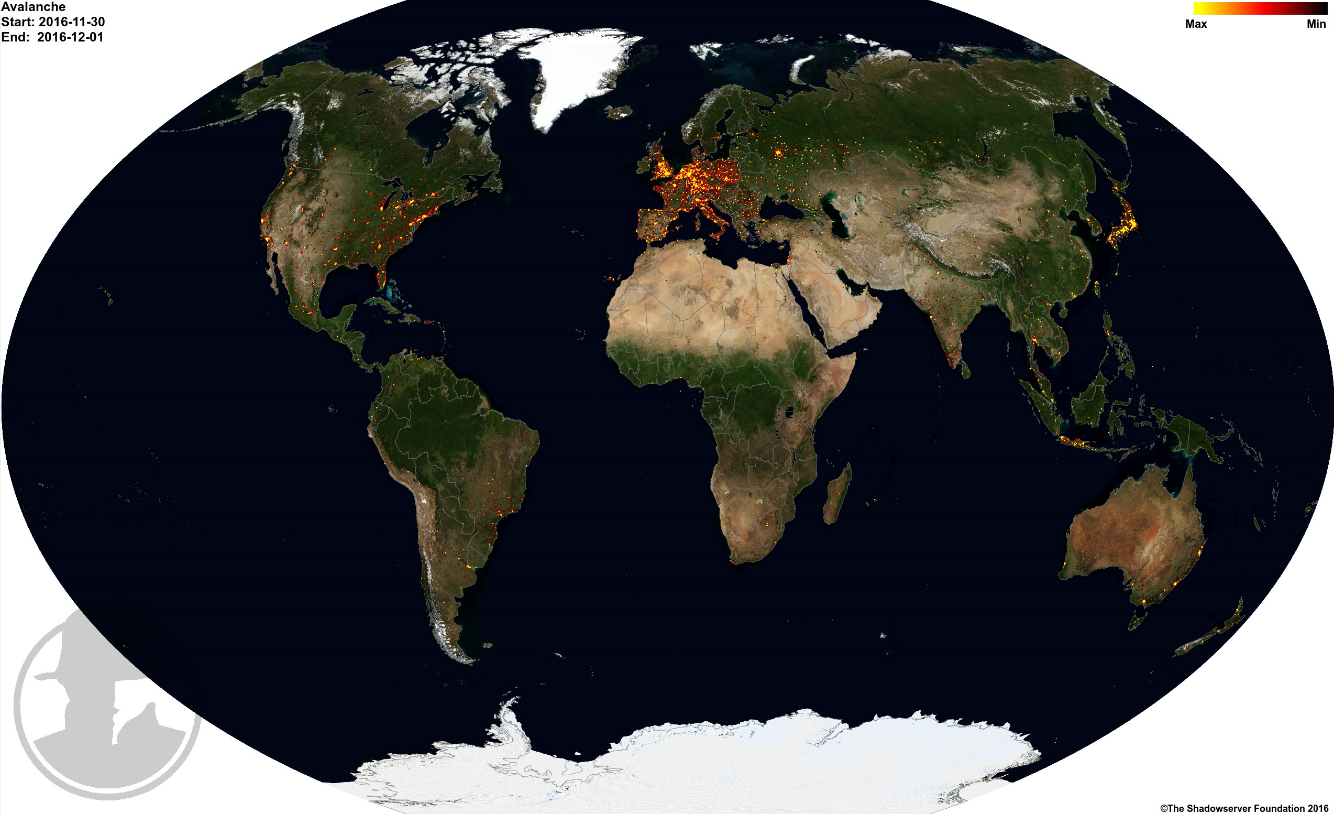
It’s been a busy few weeks in cybercrime news, justifying updates to a couple of cases we’ve been following closely at KrebsOnSecurity. In Ukraine, the alleged ringleader of the Avalanche malware spam botnet was arrested after eluding authorities in the wake of a global cybercrime crackdown there in 2016. Separately, a case that was hailed as a test of whether programmers can be held accountable for how customers use their product turned out poorly for 27-year-old programmer Taylor Huddleston, who was sentenced to almost three years in prison for making and marketing a complex spyware program.

Read More
IndependentKrebs

USPS Finally Starts Notifying You by Mail If Someone is Scanning Your Snail Mail Online

Credit to Author: BrianKrebs| Date: Mon, 26 Feb 2018 19:28:41 +0000

In October 2017, KrebsOnSecurity warned that ne’er-do-wells could take advantage of a relatively new service offered by the U.S. Postal Service that provides scanned images of all incoming mail before it is slated to arrive at its destination address. We advised that stalkers or scammers could abuse this service by signing up as anyone in the household, because the USPS wasn’t at that point set up to use its own unique communication system — the U.S. mail — to alert residents when someone had signed up to receive these scanned images. The USPS recently told this publication that beginning Feb. 16 it started alerting all households by mail whenever anyone signs up to receive these scanned notifications of mail delivered to that address. The notification program, dubbed “Informed Delivery,” includes a scan of the front and back of each envelope or package destined for a specific address.

Read More
IndependentKrebs

New EU Privacy Law May Weaken Security

Credit to Author: BrianKrebs| Date: Thu, 15 Feb 2018 17:11:30 +0000

Companies around the globe are scrambling to comply with new European privacy regulations that take effect a little more than three months from now. But many security experts are worried that the changes being ushered in by the rush to adhere to the law may make it more difficult to track down cybercriminals and less likely that organizations will be willing to share data about new online threats. On May 25, 2018, the General Data Protection Regulation (GDPR) takes effect. The law, enacted by the European Parliament, requires technology companies to get affirmative consent for any information they collect on people within the European Union. Organizations that violate the GDPR could face fines of up to four percent of global annual revenues.

Read More