Latest Warnings

IndependentKrebs

First ‘Jackpotting’ Attacks Hit U.S. ATMs
Credit to Author: BrianKrebs| Date: Sat, 27 Jan 2018 18:45:08 +0000

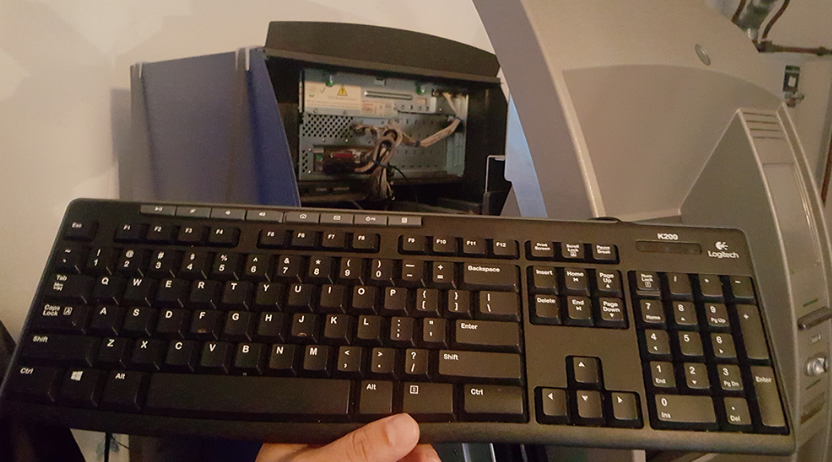
ATM “jackpotting” — a sophisticated crime in which thieves install malicious software and/or hardware at ATMs that forces the machines to spit out huge volumes of cash on demand — has long been a threat for banks in Europe and Asia, yet these attacks somehow have eluded U.S. ATM operators. But all that changed this week after the U.S. Secret Service quietly began warning financial institutions that jackpotting attacks have now been spotted targeting cash machines here in the United States.

Read More
IndependentKrebs

Bitcoin Blackmail by Snail Mail Preys on Those with Guilty Conscience

Credit to Author: BrianKrebs| Date: Thu, 11 Jan 2018 18:25:26 +0000

KrebsOnSecurity heard from a reader whose friend recently received a remarkably customized extortion letter via snail mail that threatened to tell the recipient’s wife about his supposed extramarital affairs unless he paid $3,600 in bitcoin. The friend said he had nothing to hide and suspects this is part of a random but well-crafted campaign to prey on men who may have a guilty conscience.

Read More
IndependentKrebs

Buyers Beware of Tampered Gift Cards

Credit to Author: BrianKrebs| Date: Tue, 19 Dec 2017 16:28:57 +0000

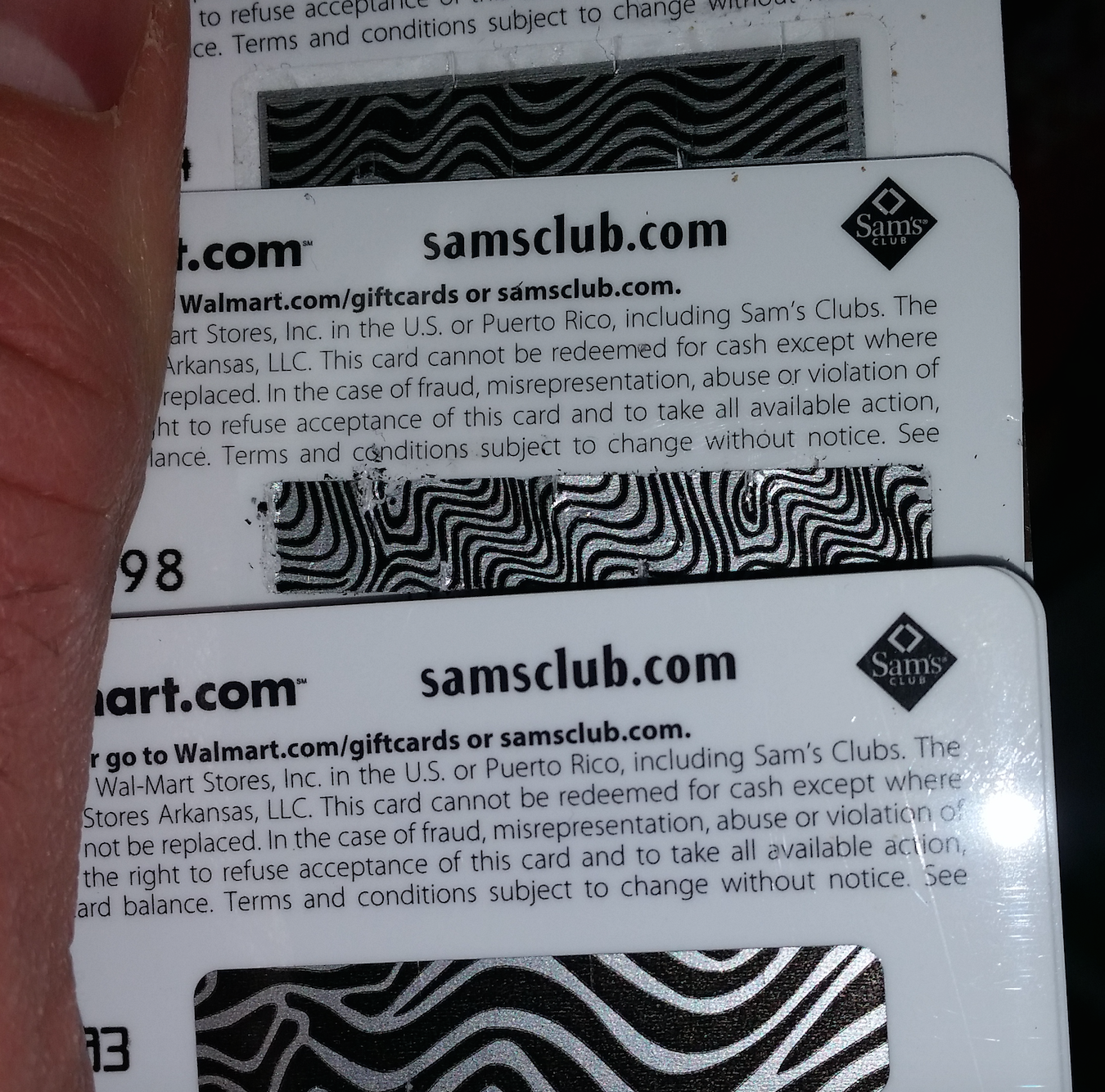
Prepaid gift cards make popular presents and no-brainer stocking stuffers, but before you purchase one be on the lookout for signs that someone may have tampered with it. A perennial scam that picks up around the holidays involves thieves who pull back and then replace the decals that obscure the card’s redemption code, allowing them to redeem or transfer the card’s balance online after the card is purchased by an unwitting customer.

Read More
IndependentKrebs

Phishers Are Upping Their Game. So Should You.

Credit to Author: BrianKrebs| Date: Fri, 08 Dec 2017 00:35:24 +0000

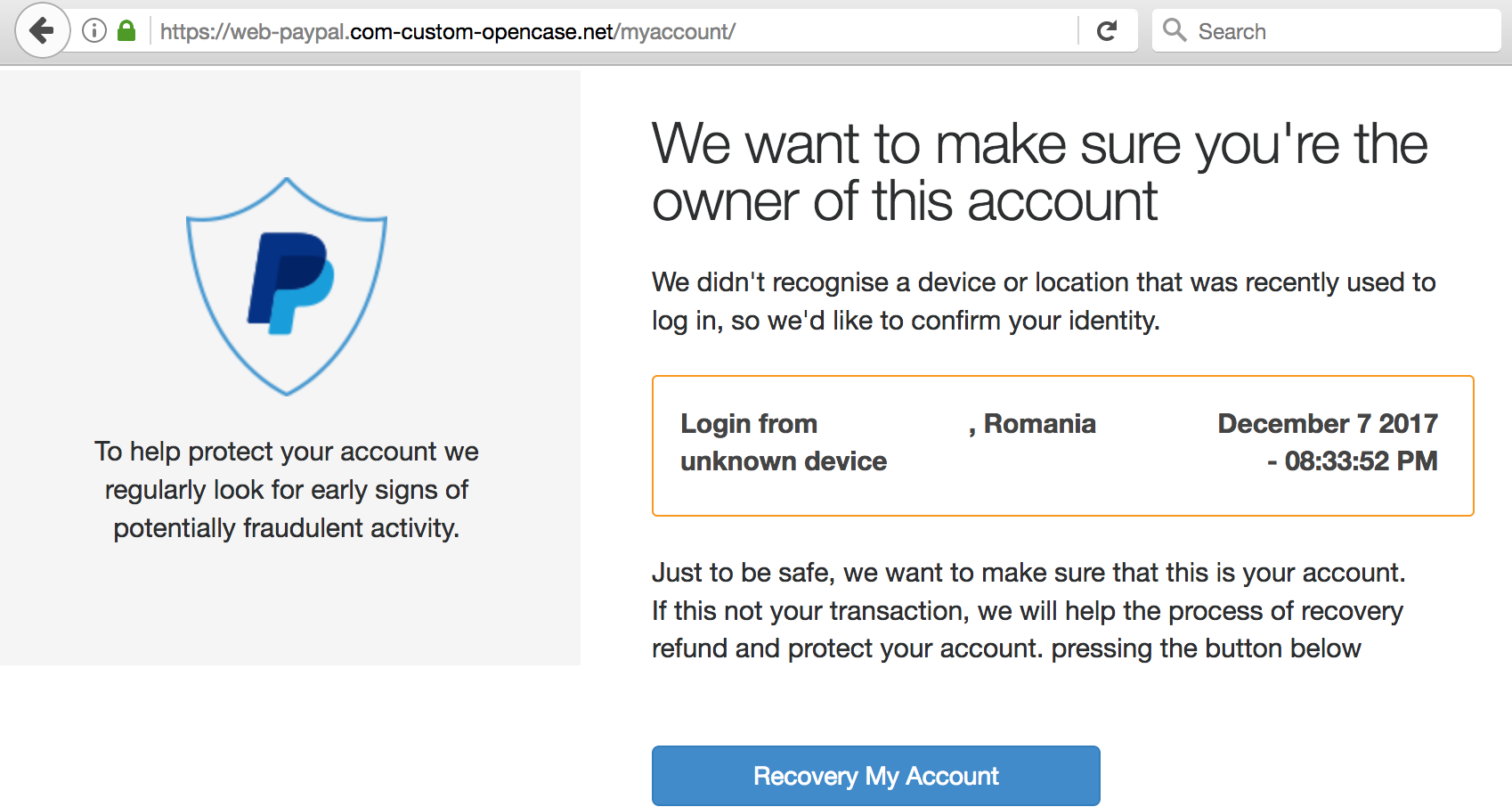
Not long ago, phishing attacks were fairly easy for the average Internet user to spot: Full of grammatical and spelling errors, and linking to phony bank or email logins at unencrypted (http:// vs. https://) Web pages. Increasingly, however, phishers are upping their game, polishing their copy and hosting scam pages over https:// connections — complete with the green lock icon in the browser address bar to make the fake sites appear more legitimate.

Read More