Credit to Author: Jon Clay| Date: Mon, 11 Sep 2017 12:00:36 +0000
In December of last year, we released eight predictions as to what we thought the 2017 cybersecurity landscape would hold. Although we’ve definitely observed new trends and attacks that we didn’t foresee, we’ve also seen several of our predictions play out as anticipated. With only three and a half months left in the year, we’re…
Credit to Author: Jon Clay| Date: Mon, 11 Sep 2017 12:00:36 +0000
In December of last year, we released eight predictions as to what we thought the 2017 cybersecurity landscape would hold. Although we’ve definitely observed new trends and attacks that we didn’t foresee, we’ve also seen several of our predictions play out as anticipated. With only three and a half months left in the year, we’re…
Credit to Author: Jon Clay| Date: Mon, 11 Sep 2017 12:00:36 +0000
In December of last year, we released eight predictions as to what we thought the 2017 cybersecurity landscape would hold. Although we’ve definitely observed new trends and attacks that we didn’t foresee, we’ve also seen several of our predictions play out as anticipated. With only three and a half months left in the year, we’re…
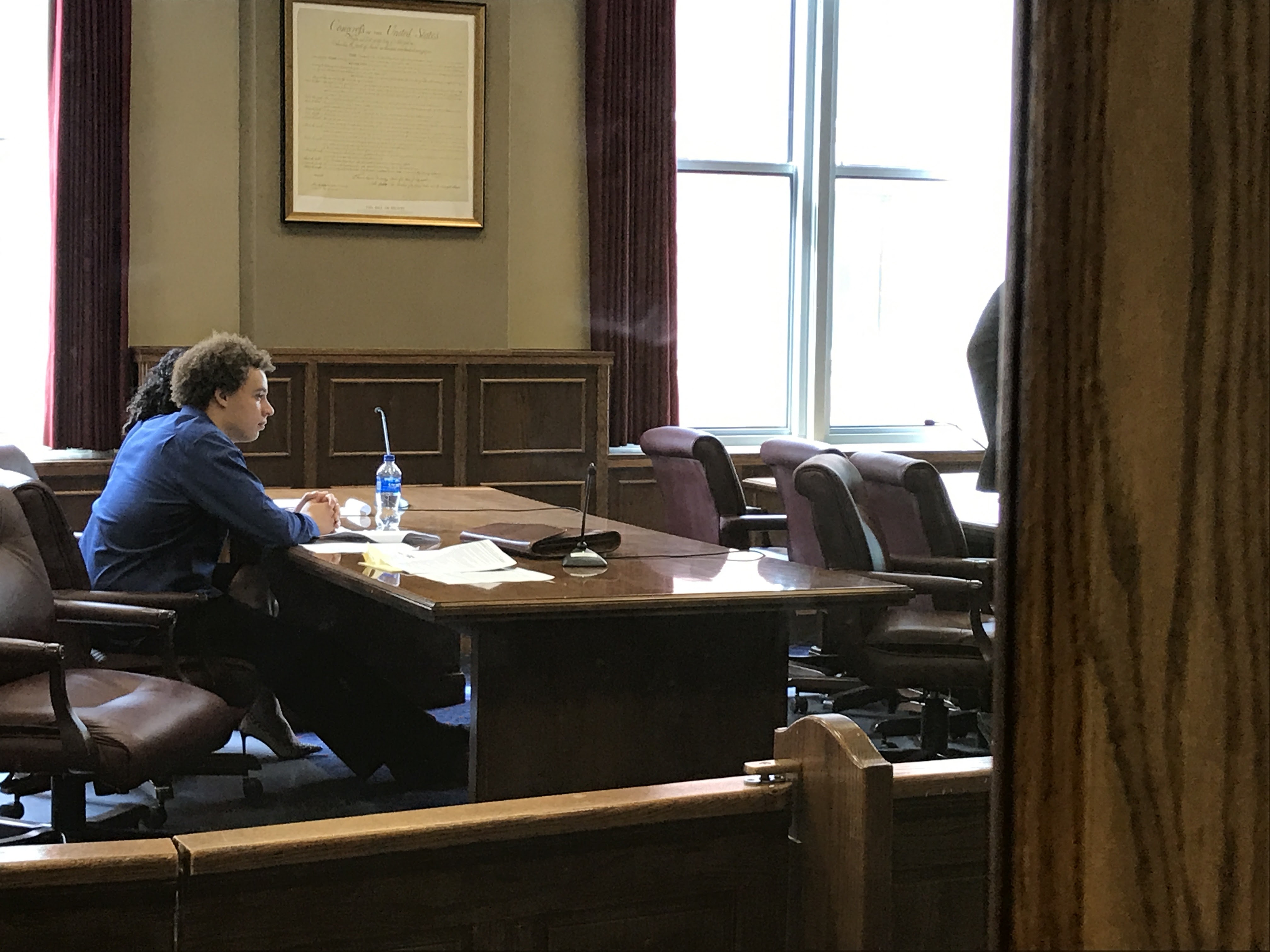
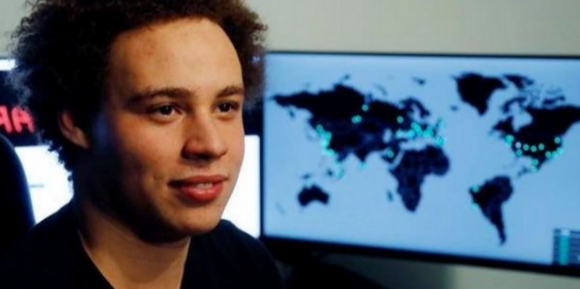
In early August 2017, FBI agents in Las Vegas arrested 23-year-old U.K. resident Marcus Hutchins on suspicion of authoring and/or selling “Kronos,” a strain of malware designed to steal online banking credentials. Hutchins was virtually unknown to most in the security community until May 2017, when a British newspaper revealed him as the “accidental hero” who inadvertently halted the global spread of WannaCry, a ransomware contagion that had taken the world by storm just days before. Relatively few knew it before his arrest, but Hutchins for many years authored the popular cybersecurity blog MalwareTech. When this fact became more widely known — combined with his hero status for halting Wannacry — a great many MalwareTech readers quickly leapt to his defense to denounce his arrest. They reasoned that the government was overstepping on flimsy evidence, noting that Hutchins has worked tirelessly to expose cybercriminals and their malicious tools. To date, some 226 supporters have donated more than $14,000 to his defense fund. At first, I did not believe the charges against Hutchins would hold up under scrutiny. But as I began to dig deeper into the history tied to dozens of hacker forum pseudonyms, email addresses and domains he apparently used over the past decade, a very different picture began to emerge. In this post, I will attempt to describe and illustrate more than three weeks’ worth of connecting the dots from what appear to be Hutchins’ earliest hacker forum accounts to his real-life identity. The clues suggest that Hutchins began developing and selling malware in his mid-teens — only to later develop a change of heart and earnestly endeavor to leave that part of his life squarely in the rearview mirror.
Last week, we looked at what actions Kronos can perform in the final installment of a 2-part post. We also dived into Locky, again, a ransomware that just made a comeback, and found that its latest variant (as of this writing) has anti-sandboxing capabilities. This means that once Locky has determined that it’s residing in…
 In December of last year, we released eight predictions as to what we thought the 2017 cybersecurity landscape would hold. Although we’ve definitely observed new trends and attacks that we didn’t foresee, we’ve also seen several of our predictions play out as anticipated. With only three and a half months left in the year, we’re…