social media

ComputerWorldIndependent

German consumer groups sue WhatsApp over privacy policy changes

WhatsApp’s privacy policy change allowing Facebook to target advertising at its users has landed the company in a German court.

The Federation of German Consumer Organizations (VZBZ) has filed suit against WhatsApp in the Berlin regional court, alleging that the company collects and stores data illegally and passes it on to Facebook, the federation said Monday.

Facebook acquired WhatsApp in October 2014, but it wasn’t until August 2016 that WhatsApp said it would modify its privacy policy to allow it to share lists of users’ contacts with Facebook. The move made it possible to match WhatsApp accounts with Facebook ones where users had registered a phone number, giving the parent company more data with which to make new friend suggestions and another way to target advertising.

To read this article in full or to leave a comment, please click here
Read More
ComputerWorldIndependent

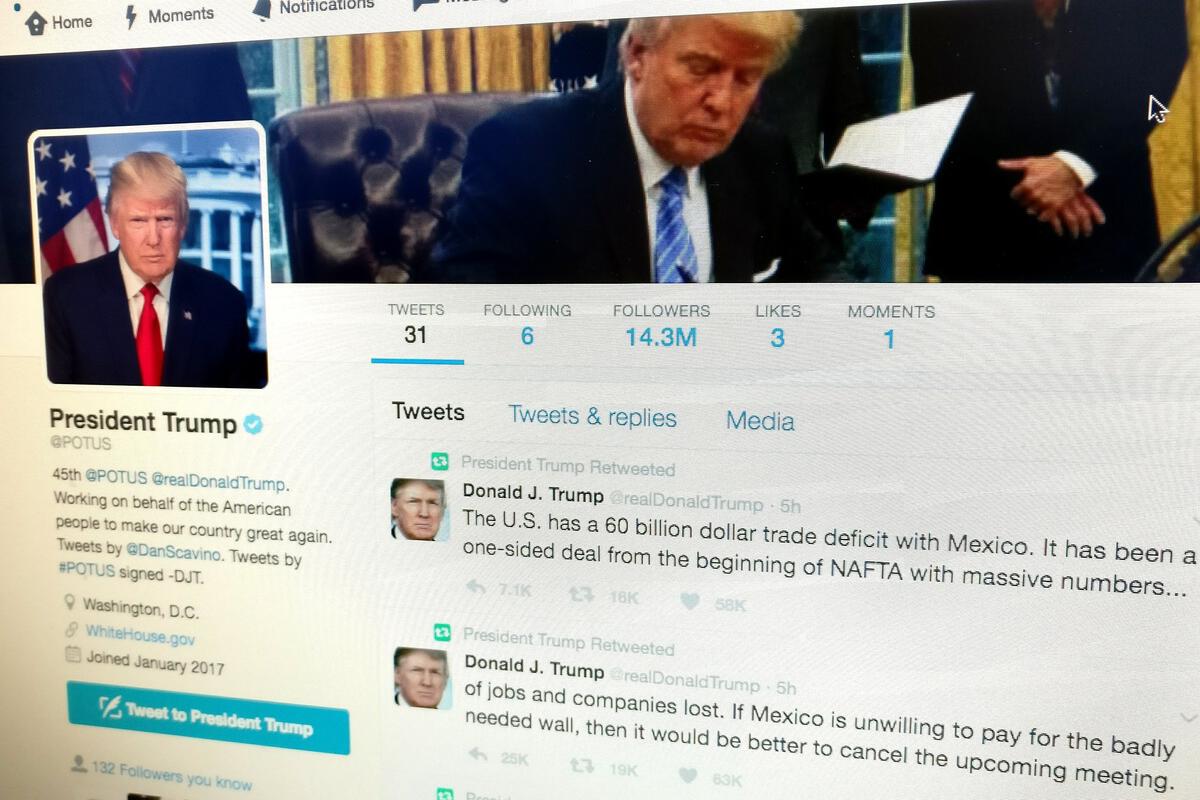
Trump administration is giving us a good lesson on Twitter security

Several recent incidents involving U.S. President Donald Trump’s administration can teach users something about IT security — particularly about Twitter and what not to do with it.

It turns out that several White House-related Twitter accounts — including the president’s official account, @POTUS — until recently were revealing sensitive information that hackers might be able to exploit.

The problem revolves around the service’s password reset function. If the account holder doesn’t take certain steps to secure it, Twitter exposes information that anyone with the right skills can use to uncover what email address — in redacted form — was used to secure a Twitter account.

To read this article in full or to leave a comment, please click here

Read More
ComputerWorldIndependent

Controversial Park Service tweets arose from old Twitter passwords

Two instances of tweets from U.S. National Park Service accounts that became political hot potatoes in the last few days were the result of bad password management, according to officials.

The first incident took place on inauguration day when the main National Park Service account retweeted images from a CNN reporter that compared unfavorably the crowd size at President Donald Trump’s inauguration with that of President Barack Obama’s in 2009.

When Trump began to openly dispute the images and smaller crowd sizes, the National Park Service deleted the retweet and apologized.

“We regret the mistaken RTs from our account yesterday and look forward to continuing to share the beauty and history of our parks with you,” it said Saturday.

To read this article in full or to leave a comment, please click here

Read More
ComputerWorldIndependent

Reminder: Secret Service is monitoring social media; 2 women in hot water over posts

You don’t see news about the U.S. Secret Service every day, but here are a couple examples which should serve as reminders that law enforcement is monitoring social media.

While this is not a suggestion to chill down your First Amendment rights, although those rights might be getting chilled ever more even as you read this, you must be wise about what you say online. It’s not private. If you start making what could be conceived as threats against President Trump, or even one of his top advisors such as Kellyanne Conway, then you might as well expect to be hearing from the Secret Service.

To read this article in full or to leave a comment, please click here

Read More
MalwareBytesSecurity

Verified Twitter accounts compromised, get busy spamming

Verified Twitter accounts tend to be a little more secure than those belonging to non-verified users due to the amount of extra hoop jumping required to get one of those ticks in the first place. A number of security requirements, including providing a phone number and setting up 2FA, are all things a would-be verified Twitter user needs to do. Unfortunately, things can still go wrong…

Categories:

Tags:

(Read more…)

Read More