Independent

ComputerWorldIndependent

With latest mobile security hole, could we at least focus on the right things?
Credit to Author: Evan Schuman| Date: Wed, 13 Feb 2019 03:00:00 -0800

A bunch of apps from some major players — including Expedia, Hollister, Air Canada, Abercrombie & Fitch, Hotels.com and Singapore Airlines — recently came to grief because of a security/privacy hole in a third-party analytics app they all used, according to a report from TechCrunch. The incident exposed extremely sensitive customer information including payment card and password data shared in clear text. That sort of thing shouldn’t be happening — and yet everyone seems focused on the wrong lesson.

The analytics app, called Glassbox, captures all information from a user’s interaction with the app, including keystrokes entered and spots on the touchscreen the user touched or clicked. It also may include some screen captures. In every case, the apps give insufficient privacy disclosures to app users, or none at all. And, as already mentioned, it shares sensitive data in clear text.
To read this article in full, please click here

Read More
IndependentKrebs

Patch Tuesday, February 2019 Edition

Credit to Author: BrianKrebs| Date: Wed, 13 Feb 2019 03:31:36 +0000

Microsoft on Tuesday issued a bevy of patches to correct at least 70 distinct security vulnerabilities in Windows and software designed to interact with various flavors of the operating system. This month’s patch batch tackles some notable threats to enterprises — including multiple flaws that were publicly disclosed prior to Patch Tuesday. It also bundles fixes to quash threats relevant to end users, including critical updates for Adobe Flash Player and Microsoft Office, as well as a zero-day bug in Internet Explorer.

Read More
ComputerWorldIndependent

It's time to block Windows Automatic Updating

Credit to Author: Woody Leonhard| Date: Mon, 11 Feb 2019 05:15:00 -0800

Those of you who feel it’s important to install Windows and Office patches the moment they come out – I salute you. The Windows world needs more cannon fodder. When the bugs come out, as they inevitably will, I hope you’ll drop by AskWoody.com and tell us all about them.

For those who feel that, given Microsoft’s track record of pernicious patches, a bit of reticence is in order, I have some good news. Microsoft’s Security Response Center says that only a tiny percentage of patched security holes get exploited within 30 days of the patch becoming available.

To read this article in full, please click here

Read More

(Insider Story)

Read More
ComputerWorldIndependent

How to stay as private as possible on Apple's iPad and iPhone

Credit to Author: Jonny Evans| Date: Fri, 08 Feb 2019 09:39:00 -0800

Apple believes in your right to privacy. Here is some advice on how to use the tools it has given you to protect your privacy on an iOS device.

Use a better passcode

You probably already use a 4-digit passcode, but you can improve that with a 6-digit or alphanumeric code.

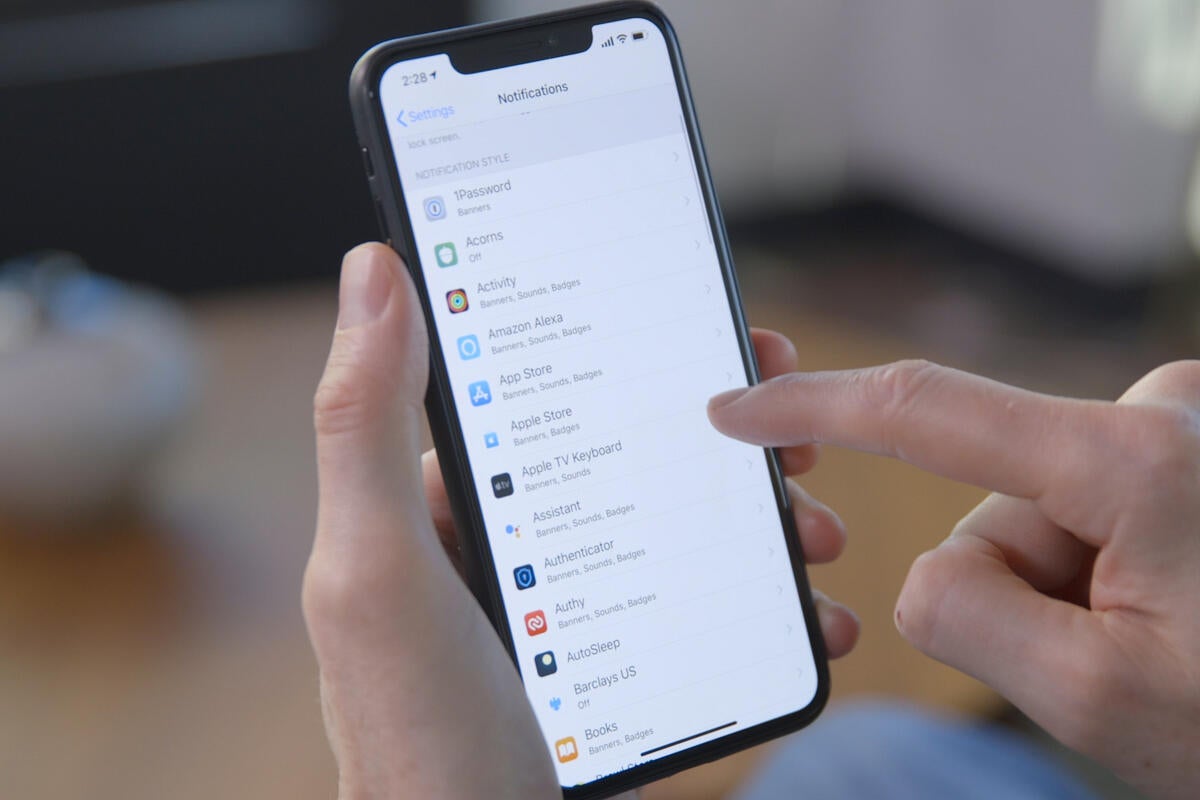
You change this in Settings>Touch ID/Face ID & Passcode, select Change Passcode and then tap the small Passcode Options dialog. Alphanumeric codes are harder to decipher, just make sure you remember the code.

To read this article in full, please click here

Read More
ComputerWorldIndependent

Microsoft: Watch out for zero days; deferred patches, not so much

Credit to Author: Woody Leonhard| Date: Fri, 08 Feb 2019 08:32:00 -0800

Matt Miller’s presentation at Blue Hat yesterday included some startling statistics, based on data gathered by Microsoft’s Security Response Center. The numbers starkly confirm what we’ve been saying for years: The chances of getting hit with malware by delaying Windows and Office patches for up to 30 days is tiny compared to all the other ways of getting clobbered.

To read this article in full, please click here

Read More
IndependentKrebs

Phishers Target Anti-Money Laundering Officers at U.S. Credit Unions

Credit to Author: BrianKrebs| Date: Fri, 08 Feb 2019 12:58:45 +0000

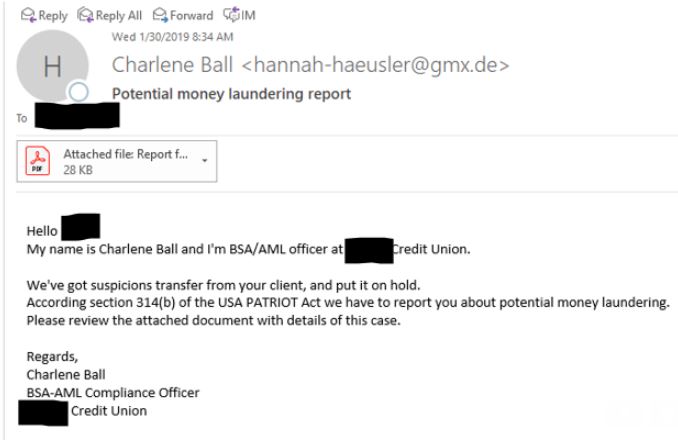
A highly targeted, malware-laced phishing campaign landed in the inboxes of multiple credit unions last week. The missives are raising eyebrows because they were sent only to specific anti-money laundering contacts at the credit unions, and many credit union sources say they suspect the non-public data may have been somehow obtained from the National Credit Union Administration (NCUA), an independent federal agency that insures deposits at federally insured credit unions.

Read More