Independent

ComputerWorldIndependent

WannaCry: Sometimes you can blame the victims
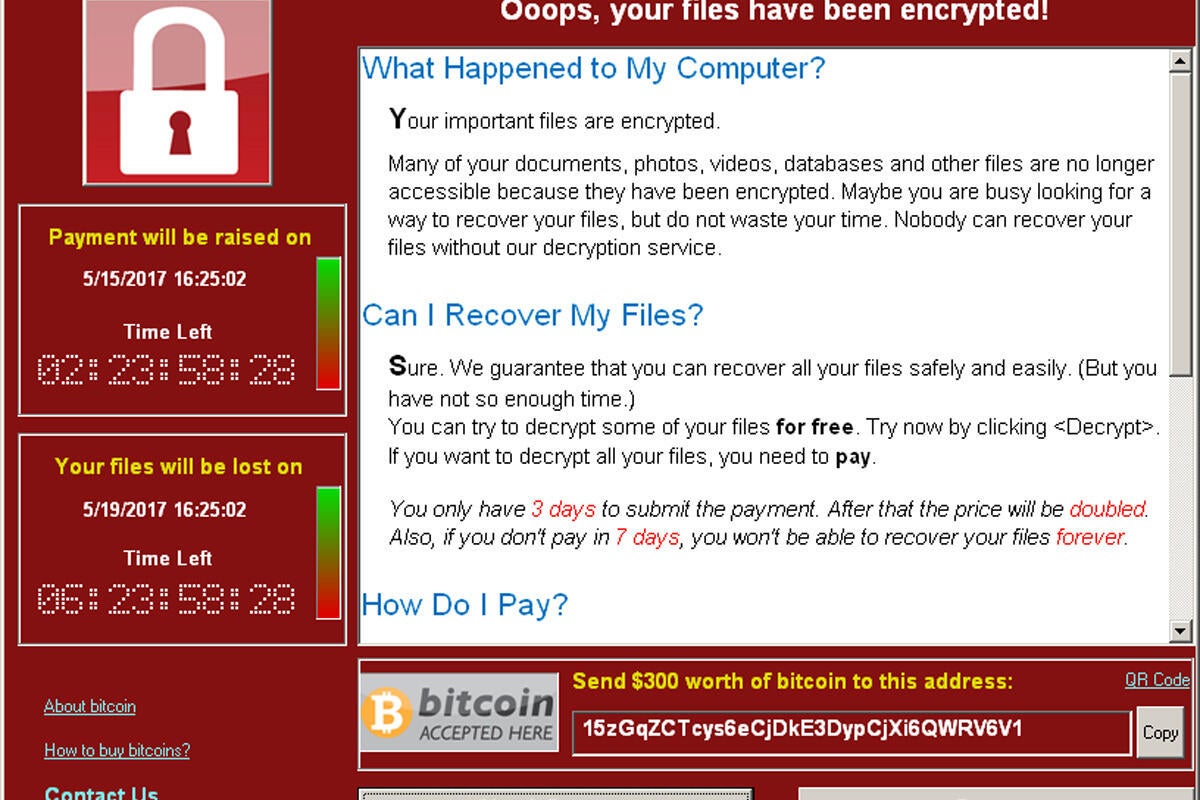
Credit to Author: Ira Winkler| Date: Tue, 16 May 2017 05:46:00 -0700

The WannaCry ransomware attack has created at least tens of millions of dollars of damage, taken down hospitals, and as of the time of this writing, another round of attacks is considered imminent as people show up to work after the weekend. Of course, the perpetrators of the malware are to blame for all the damage and suffering that has resulted. It’s not right to blame the victims of a crime, right?

Well, actually, there are cases when victims have to shoulder a portion of the blame. They may not be criminally liable as accomplices in their own victimhood, but ask any insurance adjuster whether a person or institution has a responsibility to take adequate precautions against actions that are fairly predictable. A bank that leaves bags of cash on the sidewalk overnight instead of in a vault is going to have a hard time getting indemnified if those bags go missing.

To read this article in full or to leave a comment, please click here

Read More
ComputerWorldIndependent

Missing protection: Corporate B2B privacy policies

Credit to Author: Evan Schuman| Date: Tue, 16 May 2017 04:00:00 -0700

Read More
IndependentKrebs

Breach at DocuSign Led to Targeted Email Malware Campaign

Credit to Author: BrianKrebs| Date: Tue, 16 May 2017 03:34:58 +0000

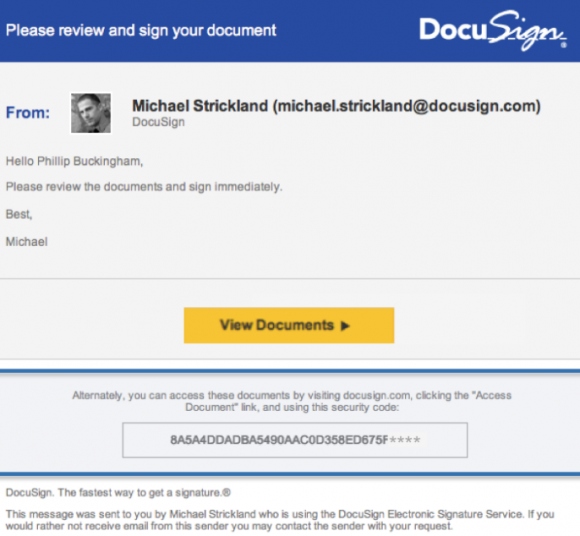
DocuSign, a major provider of electronic signature technology, acknowledged today that a series of recent malware phishing attacks targeting its customers and users was the result of a data breach at one of its computer systems. The company stresses that the data stolen was limited to customer and user email addresses, but the incident is especially dangerous because it allows attackers to target users who may already be expecting to click on links in emails from DocuSign.

Read More
ComputerWorldIndependent

WannaCry ransomware attacks won't be the last

Credit to Author: Lucian Constantin| Date: Mon, 15 May 2017 10:39:00 -0700

Thousands of organizations from around the world were caught off guard by the WannaCry ransomware attack launched Friday. As this rapidly spreading threat evolves, more cybercriminals are likely to attempt to profit from this and similar vulnerabilities.

As a ransomware program, WannaCry itself is not that special or sophisticated. In fact, an earlier version of the program was distributed in March and April and, judging by its implementation, its creators are not very skilled.

To read this article in full or to leave a comment, please click here
Read More
ComputerWorldIndependent

China pays for Windows XP addiction as 'WannaCry' hits

Credit to Author: Gregg Keizer| Date: Mon, 15 May 2017 12:34:00 -0700

The WannaCry ransomware has wormed its way into tens of thousands of Windows PCs in China, where Windows XP runs one in five systems, local reports said Monday.

More than 23,000 IP addresses in the People’s Republic of China (PRC) show signs of infection, the country’s National Computer Network Emergency Response Technical Team/Coordination Center (CNCERT) told Xinhua, the state-run news agency, on Monday.

“Intranets in many industries and enterprises involving banking, education, electricity, energy, healthcare and transportation have been affected in different extents,” CNCERT said.

To read this article in full or to leave a comment, please click here

Read More
ComputerWorldIndependent

New WannaCry variant being monitored, DHS official says

Credit to Author: Matt Hamblen| Date: Mon, 15 May 2017 11:40:00 -0700

A variant of the WannaCry ransomware that emerged Monday has been able to infect some of the computers patched after the original malware struck last week, according to a top cyber official at the Department of Homeland Security (DHS).

“We’re working on how to address that [variant] and sharing as we can,” said the official who asked not to be named. The official did not say how many computers have been affected by the variant, other than to say “some.” The original WannaCry attack hit more than 200,000 computers starting Friday in more than 150 countries, UK officials said over the weekend.

To read this article in full or to leave a comment, please click here

Read More
ComputerWorldIndependent

WikiLeaks posts user guides for CIA malware implants Assassin and AfterMidnight

Credit to Author: Darlene Storm| Date: Mon, 15 May 2017 11:25:00 -0700

The latest WikiLeaks release of CIA malware documentation was overshadowed by the WannaCry ransomware attack sweeping across the world on Friday.

WikiLeaks maintains that “Assassin” and “AfterMidnight” are two CIA “remote control and subversion malware systems” which target Windows. Both were created to spy on targets, send collected data back to the CIA and perform tasks specified by the CIA. Both are persistent and can be scheduled to autonomously uninstall on a specific date and time.

The leaked documents pertaining to the CIA malware frameworks included 2014 user’s guides for AfterMidnight, AlphaGremlin – an addon to AfterMidnight – and Assassin. When reading those, you learn about Gremlins, Octopus, The Gibson and other CIA-created systems and payloads.

To read this article in full or to leave a comment, please click here

Read More
ComputerWorldIndependent

'Perfect storm' of ransomware and network worm hits unprotected computers globally

Credit to Author: Matt Hamblen| Date: Mon, 15 May 2017 07:59:00 -0700

The cruel reality of a global ransomware attack that crippled computer systems in 150 countries on Friday is this: Attackers took advantage of under-prepared computer users and their organizations.


Enterprises — including manufacturers, car makers, hospitals and government agencies — were running older versions of Windows or hadn’t patched even the newest Windows versions with a patch that Microsoft released in March.


And, truth be told, some unsuspecting users evidently clicked on email links or, more likely, a suspected compressed Zip file attachment that launched the ransomware known as WannaCry, also known as WannaCrypt or WannaCrypto.

To read this article in full or to leave a comment, please click here

Read More