Transatlantic Cable podcast, episode 38
Credit to Author: Jeffrey Esposito| Date: Wed, 23 May 2018 13:53:23 +0000
Jeff and Dave discuss a fake Fortnite app, China visiting the dark side of the moon, Facebook breakup, Teensafe, and more.
Read MoreRSS Reader for Computer Security Articles
Credit to Author: Jeffrey Esposito| Date: Wed, 23 May 2018 13:53:23 +0000
Jeff and Dave discuss a fake Fortnite app, China visiting the dark side of the moon, Facebook breakup, Teensafe, and more.
Read More
Credit to Author: Tiziana Carboni| Date: Tue, 15 May 2018 05:32:11 +0000
Cosa accadrebbe se ci fosse un modo per i siti web di capire se una password è stata impostata da un utente altrove?<img src=”http://feeds.feedburner.com/~r/sophos/dgdY/~4/XiYrVCsi2IE” height=”1″ width=”1″ alt=””/>
Read MoreCredit to Author: Trend Micro| Date: Tue, 22 May 2018 13:00:09 +0000

In the digital age, your personal data and online behavior is increasingly being tracked whenever you browse, search, watch the news, use social networks, purchase goods, or manage your accounts online. Trend Micro, with nearly 30 years of experience in the security industry, is acutely aware of the threat this can pose to your data…
The post Protect Your Online Privacy with the New Trend Micro Zero Browser appeared first on .
Read More
Credit to Author: Ken Mingis| Date: Fri, 18 May 2018 04:00:00 -0700
For many companies, GDPR has become a four-letter acronym.
The European Union’s new General Data Protection Rule – which applies to virtually any kind of data that can be used to identify a person – goes into effect May 25. And companies around the world are rushing to make sure they’re in compliance, or at least can demonstrate that they’re hard at work trying to meet the EU demands.
GDPR is designed to protect personal privacy, (hopefully) make companies more secure from data breaches and force them to get their collective hands around all the data they collect, use and distribute.
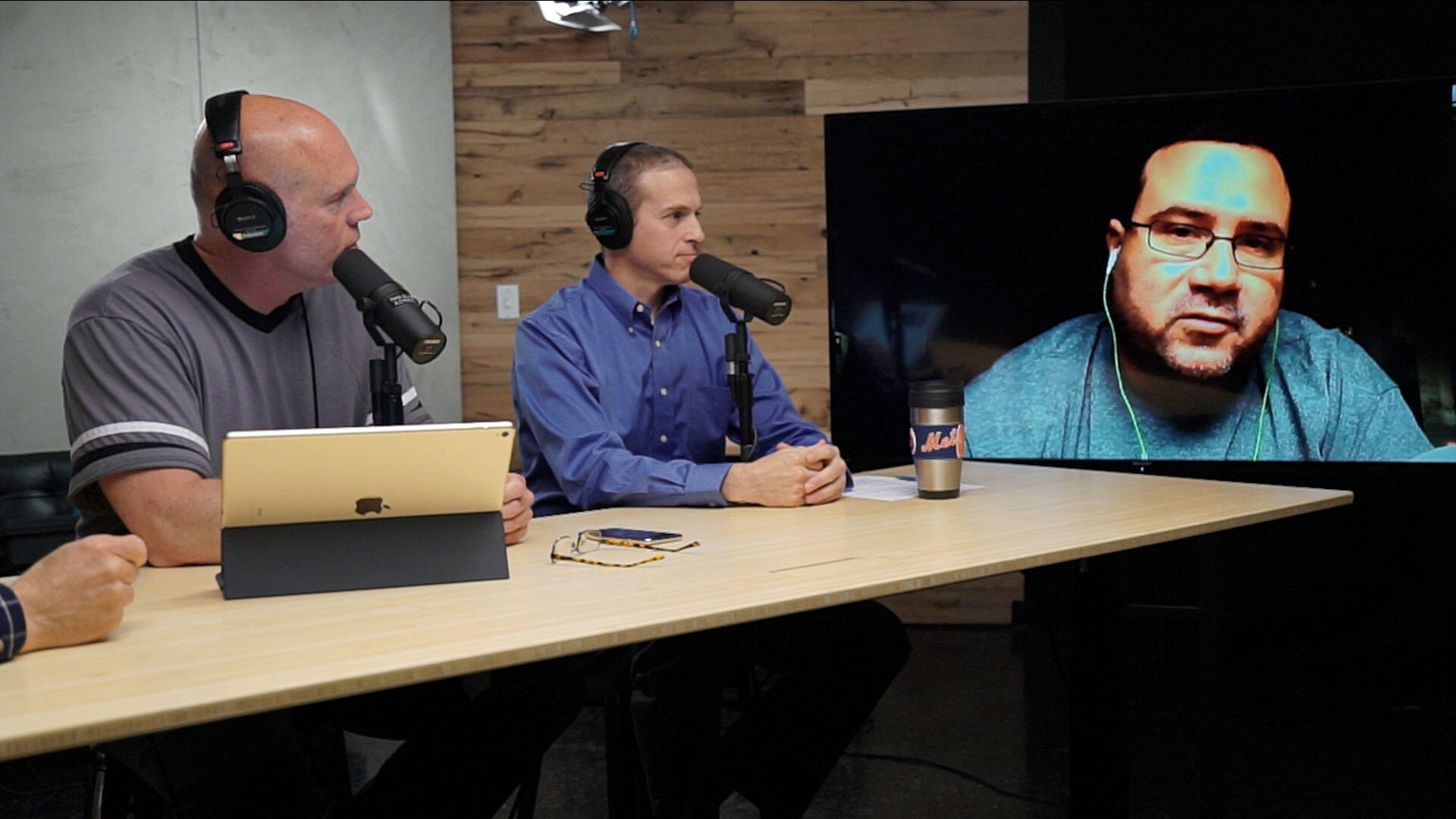
CSO's Michael Nadeau and Steve Ragan join Computerworld's Ken Mingis and IDG Communications' Mark Lewis to look at what the new EU privacy rules means. They offer insights on how companies can prepare – and what happens if they don't.
Credit to Author: Pieter Arntz| Date: Tue, 15 May 2018 18:25:58 +0000
 | |
| The upcoming GDPR deadline means you’ve probably seen an influx of changed policy announcements in your inbox. Here’s why you might want to pay attention to the changes. Categories: Tags: gdprGeneral Data Protection Regulationnon-eupoliciesprivacyreview |
The post GDPR causes a flood of new policies appeared first on Malwarebytes Labs.
Read MoreCredit to Author: Kaspersky Team| Date: Tue, 15 May 2018 07:00:04 +0000
Our first Transparency Center, as well as “software assembly line” and storage of Kaspersky Security Network data, will be located in Switzerland.
Read More
Credit to Author: Mike Elgan| Date: Sat, 12 May 2018 03:00:00 -0700
Most email can either be secure or easy to use. You can have one but not both.
That’s why people are so excited about a new feature in Google’s Gmail. It’s called Confidential Mode, and it’s an easy way to make email more private.
Confidential Mode lets you add an “expiration date” to emails. Once that date arrives, the email is no longer viewable by the recipient.
Messages marked as Confidential can’t be copied, forwarded, printed or downloaded.
And you can revoke access at any time.
Sounds great, right? Well, not so fast. There are a lot of “gotchas” in the new Confidential Mode that you need to know about.