The California Consumer Privacy Act (CCPA) is, in some ways, similar to Europe's GDPR. This rule, which goes into effect in 2020, gives individual users more ownership over their own data. Users can even refuse to allow companies to sell their online data. As the compliance deadline approaches, CSO Online contributor Maria Kolokov and senior editor Michael Nadeau discuss with Juliet how CCPA may shift business models, change online behavior and reveal where exactly our data has been. Some tech companies, like Google, are even trying to exempt themselves from regulation. Failure to adhere to the rule could be an "extinction level" event.
August brought loads of drama to the Windows and Office patching scene. Microsoft’s first round of patches killed Visual Basic, Visual Basic for Applications and VBScript in certain situations — on all versions of Windows. Fixes for the bugs dribbled out three, four, six and 17 days after the original infection.
Those Microsoft-introduced bugs were all the more daunting because the August patches are the ones intended to protect us from DejaBlue — the recently announced “wormable” malware infection vector that (thankfully!) has yet to be exploited. The mainstream press picked up the Chicken Little cry to install August patches right away. Then the buggy offal hit the impeller, and the press fell silent.
Credit to Author: Jon Clay (Global Threat Communications)| Date: Fri, 06 Sep 2019 13:05:31 +0000
Welcome to our weekly roundup, where we share what you need to know about the cybersecurity news and events that happened over the past few days. This week, learn how music festival goers need to be on guard for phishing attacks when trying to find a lost iPhone. Also, read how Trend Micro researchers went…
The FTC hit yet another tech company with a seemingly massive fine for mishandling user data. This time, YouTube, owned by Google, is forced to pay $170 million for collecting data about children under 13 without parental consent. The Federal Trade Commission slapped Facebook with a $5 billion fine just a few months ago. In this episode of TECH(feed), Juliet asks whether or not these fines are effective in regulating the tech industry.
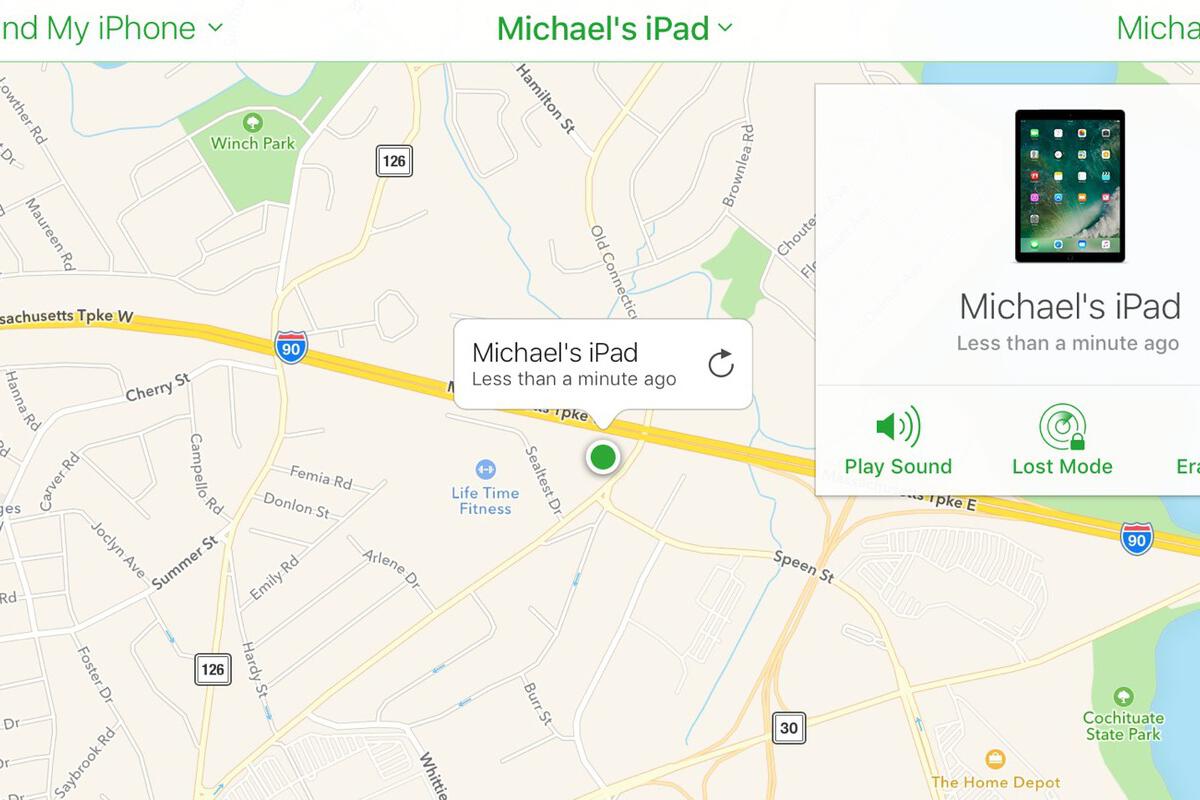
Apple is expected to introduce its own Tile-competing tracking device(s), perhaps as soon as fall. So, what are the advantages of the device, what can we expect, and what happens next?
Freedom from networks
There are hundreds of tracking devices available today. These cost anything from tens to hundreds of dollars and in most cases require you sign-up to a network provider for SIM card-based network access.