Never share verification codes
Credit to Author: Alex Perekalin| Date: Tue, 22 May 2018 09:31:32 +0000
Here’s how scammers try to phish for verification codes — and what may happen if you send them one.
Read MoreRSS Reader for Computer Security Articles
Credit to Author: Alex Perekalin| Date: Tue, 22 May 2018 09:31:32 +0000
Here’s how scammers try to phish for verification codes — and what may happen if you send them one.
Read More
Host Steve Ragan reports from the show floor at RSA 2018, where talks with Chris Roberts, chief security architect at Acalvio Technologies, about the benefits and misconceptions of deception technologies.
Credit to Author: Gregg Keizer| Date: Mon, 21 May 2018 13:45:00 -0700
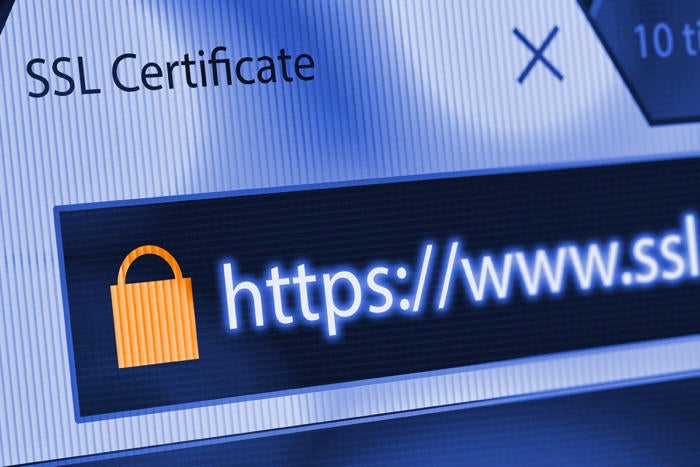
Google has further fleshed out plans to upend the historical approach browsers have taken to warn users of insecure websites, spelling out more gradual steps the company will take with Chrome this year.
Starting in September, Google will stop marking plain-vanilla HTTP sites – those not secured with a digital certificate, and which don’t encrypt traffic between browser and site servers – as secure in Chrome’s address bar. The following month, Chrome will tag HTTP pages with a red “Not Secure” marker when users enter any kind of data.
Eventually, Google will have Chrome label every HTTP website as, in its words, “affirmatively non-secure.” By doing so, Chrome will have completed a 180-degree turn from browsers’ original signage – marking secure HTTPS sites, usually with a padlock icon of some shade, to indicate encryption and a digital certificate – to labeling only those pages that are insecure.

Credit to Author: Lily Hay Newman| Date: Sun, 20 May 2018 11:00:00 +0000
Researchers have developed a new technique called FontCode that hides secrets in plain sight.
Read More
Credit to Author: Lily Hay Newman| Date: Sat, 19 May 2018 13:00:00 +0000
Critical Cisco bugs, lost grenades, and more of the week’s top security news.
Read More
Credit to Author: Brian Barrett| Date: Sat, 19 May 2018 11:00:00 +0000
The failures of Securus and LocationSmart to secure location data are the failures of an entire industry.
Read More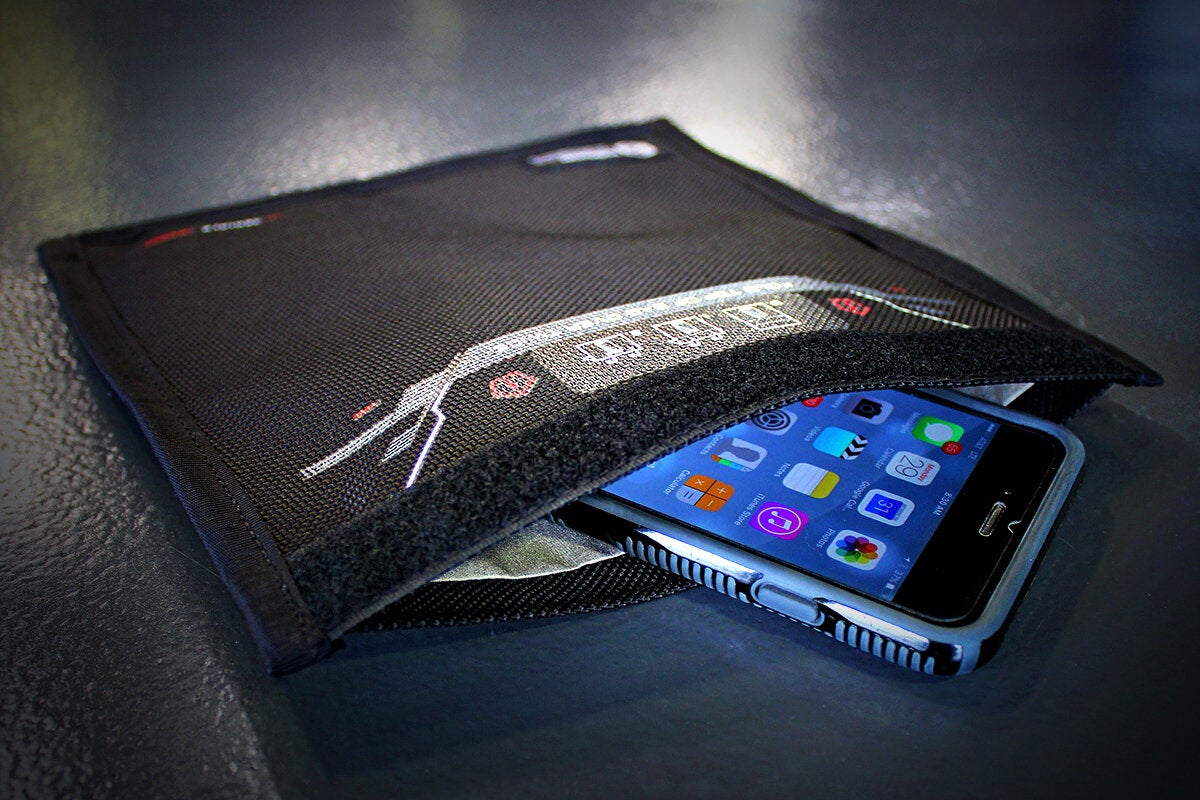
Credit to Author: Mike Elgan| Date: Sat, 19 May 2018 03:00:00 -0700
Have you heard about those special bags, cases and wallets that protect your electronics from hack attacks?
It’s a signal-blocking container, basically a tinfoil hat for your gadget.
Tinfoil hats are associated with conspiracy theorists concerned about secret government mind-control programs. But when it comes to your wireless gadgets, they really are out to get you.
For example: It’s not a conspiracy theory to believe that companies you’ve never heard of are tracking your location.
In the past two weeks, we’ve learned that a company called Securus Technologies sold the real-time location data of millions of people. It got this data from another company called LocationSmart, which itself was buying the data from AT&T, Sprint, T-Mobile and Verizon.
Cryptocurrency such as Bitcoin has garnered most of the media coverage and hype to date, but keep your eye on blockchain – this new technology is poised to change IT in much the same way open-source software did a quarter century ago.