Security

ComputerWorldIndependent

Trump’s unsecure Android phone highlights common security dilemma
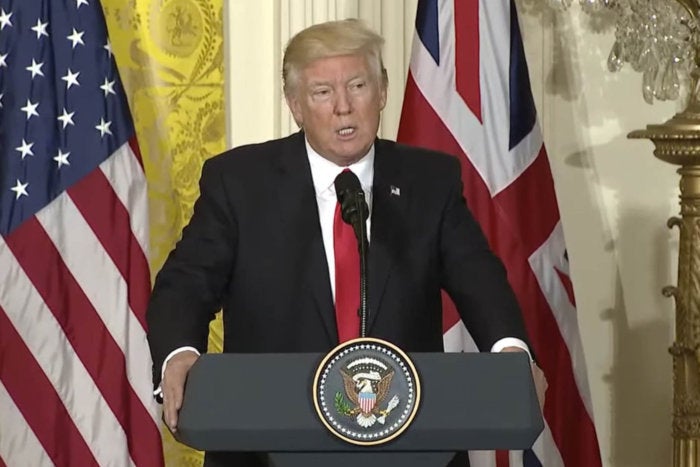
If President Donald Trump is still using his personal, unsecured Android smartphone, as reported, he is surely creating bucketsful of worry for White House communications security staff.

As CIOs and Chief Information Security Officers already know, any organization can install strong security technology into a network or a smartphone, only to be defeated if end users don’t use it or follow safe cyber practices.

“The most vulnerable parts of communications are the people, and if they aren’t taking precautions, problems exist,” said Chris Perry, chief operating officer for Secured Communications, a provider of encrypted VPNs for mobile devices used by governments and companies.

To read this article in full or to leave a comment, please click here

Read More
ComputerWorldIndependent

Five arrested for hacking into ATMs and stealing $3.2 million

Law enforcement authorities from Europe and Asia have arrested five members of an international cybercriminal group that specialized in hacking into automated teller machine (ATMs).

The investigation began in early 2016, according to Europol. Three suspects were arrested in Taiwan, one in Romania, and one in Belarus. Most of them had multiple citizenships and could travel easily between countries, the agency said Friday.

Hacking into ATMs to steal money is nothing new, and there are malware programs built specifically for such machines that allow criminals to withdraw money using hidden commands.

To infect ATMs with such malware most attackers either receive help from bank insiders or buy service keys that can be used to open the front panels of ATMs and access their communications ports.

To read this article in full or to leave a comment, please click here
Read More
ComputerWorldIndependent

Trump, May agree to take on ISIS in cyberspace

The U.K. and U.S. are planning to work more closely to combat the spread of extreme Islamist ideology in cyberspace, British Prime Minister Theresa May said on Friday.

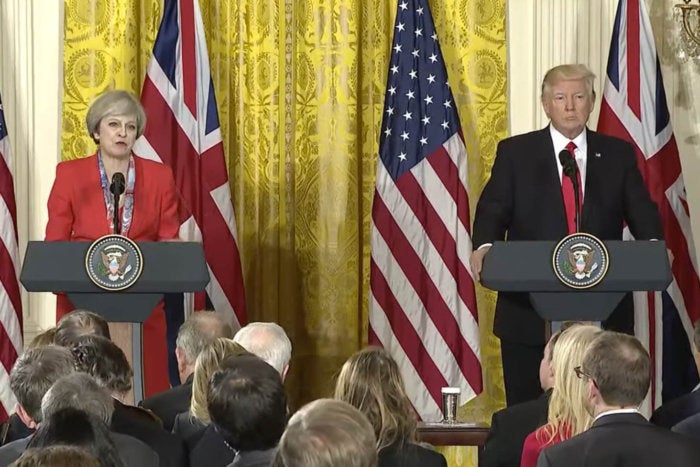
May was speaking at a White House news conference, alongside U.S. President Donald Trump, held to outline the results of talks between the two leaders. May is in Washington as the first foreign head of state to meet Trump.

She noted the conventional military fight against ISIS is working and the group is losing territory but noted the two countries “need to redouble our efforts.”

“Today we’re discussing how we can do this by deepening intelligence and security cooperation and critically, by stepping up our efforts to counter Daesh in cyberspace,” she said, using an alternate name for the terrorist group.

To read this article in full or to leave a comment, please click here

Read More
ComputerWorldIndependent

Cisco starts patching critical flaw in WebEx browser extension

Cisco Systems has started to patch a critical vulnerability in its WebEx collaboration and conferencing browser extension that could allow attackers to remotely execute malicious code on computers.

The company released a patched version of the extension — 1.0.7 — for Google Chrome on Thursday and is working on similar patches for the Internet Explorer and Mozilla Firefox versions.

The vulnerability was found by Google security researcher Tavis Ormandy and stemmed from the fact that the WebEx extension exposed functionality to any website that had “cwcsf-nativemsg-iframe-43c85c0d-d633-af5e-c056-32dc7efc570b.html” in its URL or inside an iframe. Some of that WebEx functionality allowed for the execution of arbitrary code on computers.

To read this article in full or to leave a comment, please click here

Read More
ComputerWorldIndependent

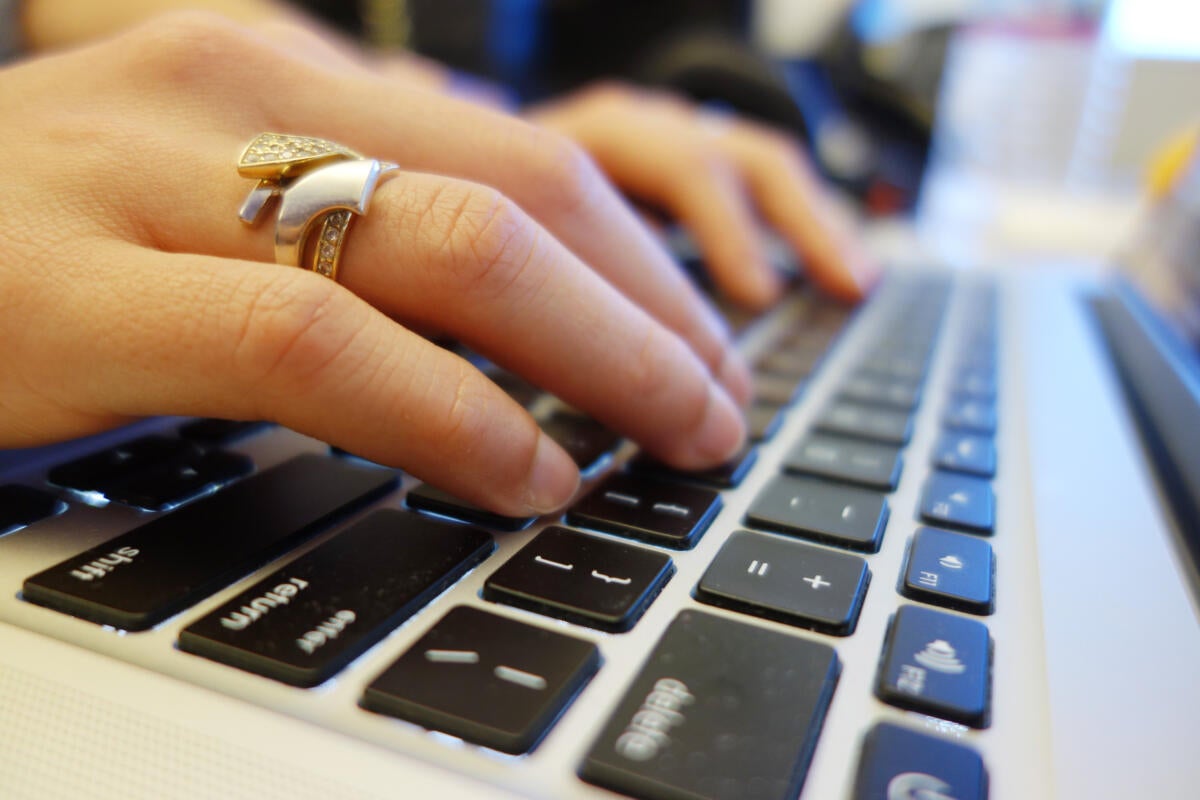
A.I.-based typing biometrics might be authentication's next big thing

Identifying or authenticating people based on how they type is not a new idea, but thanks to advances in artificial intelligence it can now be done with a very high level of accuracy, making it a viable replacement for other forms of biometrics.

Research in the field of keystroke dynamics, also known as keyboard or typing biometrics, spans back over 20 years. The technique has already been used for various applications that need to differentiate among computer users, but its widespread adoption as a method of authentication has been held back by insufficient levels of accuracy.

Keystroke dynamics relies on unique patterns derived from the timing between key presses and releases during a person’s normal keyboard use. The accuracy for matching such typing-based “fingerprints” to individual persons by using traditional statistical analysis and mathematical equations varies around 60 percent to 70 percent, according to Raul Popa, CEO and data scientist at Romanian startup firm TypingDNA.

To read this article in full or to leave a comment, please click here

Read More