ComputerWorld

ComputerWorldIndependent

Temporarily turn off Windows Automatic Update

Credit to Author: Woody Leonhard| Date: Tue, 07 Nov 2017 03:35:00 -0800

Read More
ComputerWorldIndependent

Microsoft yanks buggy Windows patches KB 4052233, 4052234, 4052235

Credit to Author: Woody Leonhard| Date: Mon, 06 Nov 2017 06:39:00 -0800

As I reported last week, Microsoft released a handful of buggy patches designed to fix the “Unexpected error from external database driver” bug introduced by all of the October Windows security patches. As noted then, the bug fixes have bugs themselves, and the cure is worse than the disease.

Now comes word that Microsoft has not only yanked the bad patches; it’s also deleted the KB articles associated with the patches.

Specifically, all of these KB articles report that the page does not exist:

To read this article in full or to leave a comment, please click here

Read More
ComputerWorldIndependent

Windows 10 Insider: What's in it for us?

Credit to Author: Gregg Keizer| Date: Mon, 06 Nov 2017 03:09:00 -0800

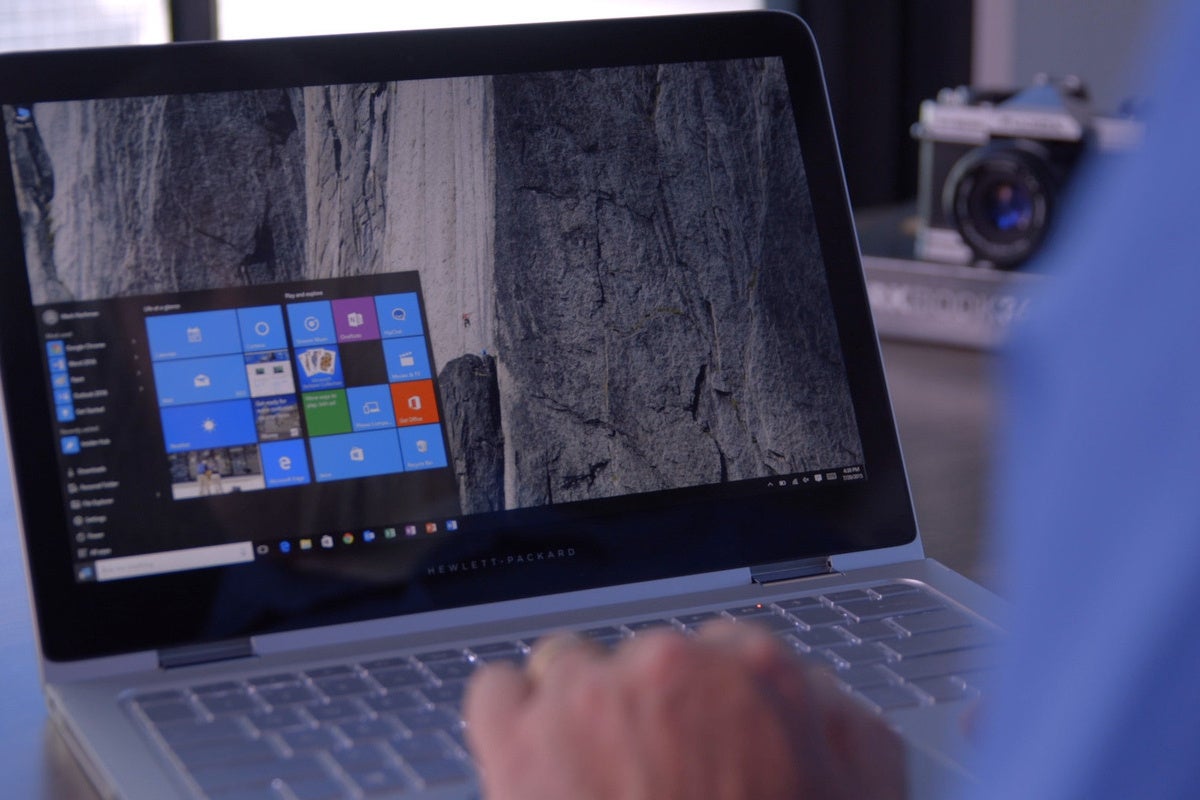
Microsoft’s motivation for pushing customers to run Windows 10 previews is obvious: It gains a huge pool of testers and millions of amateur quality control workers who help shake out software bugs before the code reaches the wild.

But is there anything in it for the customer?

“Absolutely,” said Wes Miller, an analyst with Directions on Microsoft, in a recent interview when asked whether customers benefit from participating in the Insider program. “You’re testing the quality of those bits vis-a-vis your infrastructure.”

Windows Insider, which Microsoft launched in the fall of 2014 as its first-ever ongoing beta program, delivers pre-release versions of the next Windows 10 feature upgrade. As Microsoft creates an upgrade, it periodically releases builds to the Insider audience. Just before the upgrade’s actual ship date, Microsoft freezes the code, then begins work on the next version, with betas of that build reaching participants soon thereafter.

To read this article in full or to leave a comment, please click here
Read More
ComputerWorldIndependent

Critics are wrong to slam iPhone X’s new face tech

Credit to Author: Mike Elgan| Date: Sat, 04 Nov 2017 03:00:00 -0700

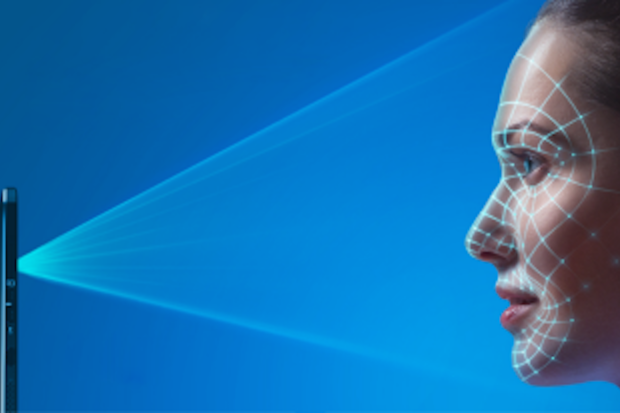
Apple’s new iPhone X reads faces. And privacy pundits are gnashing their teeth over it.

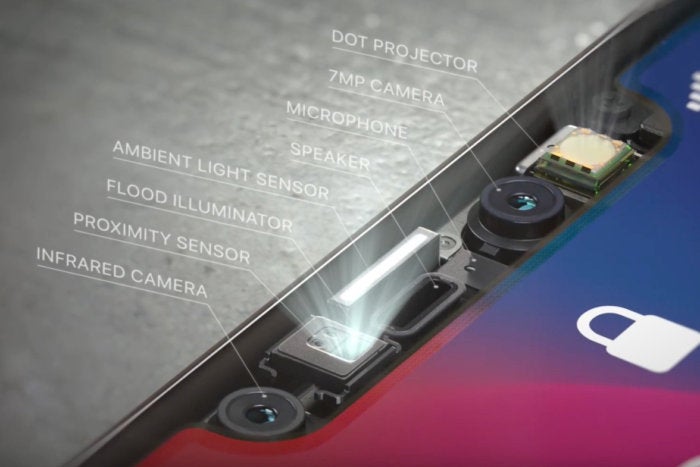
The phone’s complex TrueDepth image system includes an infrared projector, which casts 30,000 invisible dots, and an infrared camera, which checks where in three-dimensional space those dots land. With a face in view, artificial intelligence on the phone figures out what’s going on with that face by processing locations of the dots.

Biometrics in general and face recognition in particular are touchy subjects among privacy campaigners. Unlike a password, you can’t change your fingerprints — or face.

Out of the box, the iPhone X’s face-reading system does three jobs: Face ID (security access), Animoji (avatars that mimic users’ facial expressions), and also something you might call “eye contact,” to figure out if the user is looking at the phone (to prevent sleep mode during active use).

To read this article in full or to leave a comment, please click here
Read More
ComputerWorldIndependent

MS fixes 'external database' bug with patches that have even more bugs

Credit to Author: Woody Leonhard| Date: Fri, 03 Nov 2017 05:58:00 -0700

Yesterday, Thursday, a date which will live in infamy, Microsoft unleashed patches for five versions of Windows. They were supposed to fix the widely reported bug in all of the mainstream October Windows security patches that gave rise to a bogus “Unexpected error from external database driver” message.

It’s too early to assess all of the damage, but reports from many corners say installing these new patches brings back old, unpatched versions of many files. If you installed one of the patches from yesterday, best to uninstall it. Now.

To read this article in full or to leave a comment, please click here

Read More
ComputerWorldIndependent

Word to the wise

Credit to Author: Sharky| Date: Fri, 03 Nov 2017 03:00:00 -0700

IT pilot fish gets an email from a person who’s a member of a club they both belong to — and while it’s not work-related, it was clearly sent from work.

“The email had been written as a Word document and, since I wasn’t using a Windows-based computer, I opened it as a text document,” says fish.

“This allowed me to see not only the note intended for me, but also the document history for all the other recent documents opened in Word by that user that day.

“The person who sent me the email was an attorney. Talk about unintentionally breaching client confidentiality!

“I contacted her privately and discreetly, and handed her a printout showing some of the things contained in that document history.

To read this article in full or to leave a comment, please click here
Read More
ComputerWorldIndependent

What is Face ID? Apple’s new facial recognition tech explained

Credit to Author: Michael deAgonia| Date: Wed, 01 Nov 2017 02:57:00 -0700

With just a glance, Face ID can unlock Apple’s new iPhone X, giving owners a new authentication paradigm for the first time since the arrival of Touch ID with the iPhone 5. Face ID – that’s Apple’s name for the technology – uses a complex front-facing camera system and accompanying software to unlock the iPhone and authenticate purchases and payments with a mere glance.

The futuristic-seeming tech is one of the iPhone X’s main selling points, along with its “Super Retina” OLED screen, slimmer, bezel-less form factor and improved camera. But it also raises questions about whether the technology is as easy and secure to use as the tried-and-true fingerprint-based Touch ID.

To read this article in full or to leave a comment, please click here

Read More