internet

ComputerWorldIndependent

Privacy advocates plan to fight Congress' repeal of ISP privacy rules

Credit to Author: Grant Gross| Date: Wed, 29 Mar 2017 08:19:00 -0700

Privacy advocates haven’t given up the fight after Congress voted to allow ISPs to sell customers’ browsing histories and other personal information without their permission.

On Tuesday, the House of Representatives voted 215 to 205 to strike down ISP privacy regulations approved by the Federal Communications Commission only months ago. The House’s passage of a resolution of disapproval followed a Senate vote to pass the same resolution days earlier. 

President Donald Trump is expected to sign the Republican-pushed bill. But Sen. Ed Markey, a Massachusetts Democrat, said he will introduce new legislation to require the FCC to pass new ISP privacy rules.

To read this article in full or to leave a comment, please click here
Read More
ComputerWorldIndependent

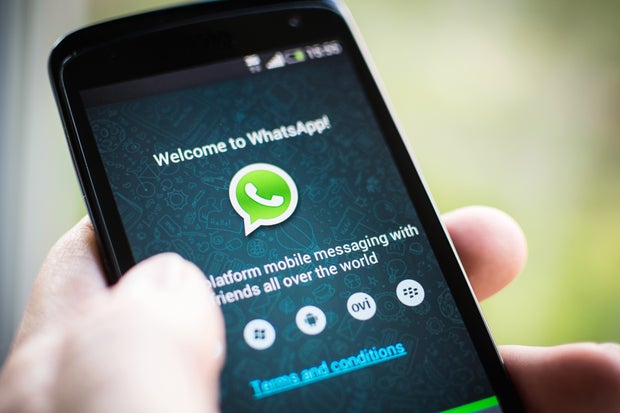
UK official wants police access to WhatsApp messages

Credit to Author: John Ribeiro| Date: Mon, 27 Mar 2017 03:26:00 -0700

A senior U.K. official is asking that law enforcement be given access to encrypted messages on WhatsApp and similar services, a demand that is likely to fuel an ongoing debate over whether companies should create backdoors into their encryption technologies for investigators.

Khalid Masood, the terrorist who killed four people outside Parliament on Wednesday, had sent a message on WhatsApp shortly before the attack, according to reports.

“We need to make sure that organizations like WhatsApp, and there are plenty of others like that, don’t provide a secret place for terrorists to communicate with each other,” Home Secretary Amber Rudd said on BBC One’s Andrew Marr Show on Sunday.

To read this article in full or to leave a comment, please click here
Read More
ComputerWorldIndependent

Senate votes to kill FCC's broadband privacy rules

Credit to Author: Grant Gross| Date: Thu, 23 Mar 2017 10:13:00 -0700

The U.S. Senate has voted to kill broadband provider privacy regulations prohibiting them from selling customers’ web-browsing histories and other data without their permission.

The Senate’s 50-48 vote Thursday on a resolution of disapproval would roll back Federal Communications Commission rules requiring broadband providers to receive opt-in customer permission to share sensitive personal information, including web-browsing history, geolocation, and financial details with third parties. The FCC approved the regulations just five months ago.

To read this article in full or to leave a comment, please click here

Read More
ComputerWorldIndependent

Password-stealing flaws in LastPass Chrome and Firefox extensions

Credit to Author: Darlene Storm| Date: Wed, 22 Mar 2017 06:25:00 -0700

Tavis Ormandy, a security researcher on Google’s Project Zero team, warned of flaws in LastPass browser extensions, vulnerabilities which – if a person surfed to a malicious site – would allow the malicious site to steal passwords from the password manager.

LastPass said it patched the vulnerability in its Chrome extension and said it is working on a fix for the flaw in its Firefox add-on.

Ormandy originally said the LastPass bug affected 4.1.42 Chrome and Firefox browser extensions. He developed a working exploit for a Windows box running the LastPass Chrome extension, but said it “could be made to work on other platforms.” He sent the details to LastPass before adding:

To read this article in full or to leave a comment, please click here

Read More
ComputerWorldIndependent

Mozilla beats rivals, patches Firefox's Pwn2Own bug

Credit to Author: Gregg Keizer| Date: Mon, 20 Mar 2017 17:26:00 -0700

Mozilla last week patched a Firefox vulnerability just a day after it was revealed during Pwn2Own, the first vendor to fix a flaw disclosed at the hacking contest.

“Congrats to #Mozilla for being the first vendor to patch vuln[erability] disclosed during #Pwn2Own,” tweeted the Zero Day Initiative (ZDI) Monday. ZDI, the bug brokerage run by Trend Micro, sponsored Pwn2Own.

Mozilla released Firefox 52.0.1 on Friday, March 17, with a patch for the integer overflow bug that Chaitin Security Research Lab leveraged in an exploit at Pwn2Own on Thursday, March 16. The Beijing-based group was awarded $30,000 by ZDI for the exploit, which combined the Firefox bug with one in the Windows kernel.

To read this article in full or to leave a comment, please click here

Read More
ComputerWorldIndependent

Private photos of more celebrities leaked in Fappening 2.0

Credit to Author: Darlene Storm| Date: Mon, 20 Mar 2017 09:51:00 -0700

Here we go again with another round of The Fappening which was also known as Celebgate.

The Fappening 2.0, or Celebgate 2.0, started with private photos of Emma Watson and Amanda Seyfried circulating on the “dark web” and then 4chan last week before the images made it to Reddit.

Softpedia reported that more private images of celebrities are also circulating online, including pictures of the following actresses and models: “Rose McGowan (actress), Katie Cassidy (actress), Alyssa Arce (model), Rhona Mitra (actress), Analeigh Tipton (figure skater & actress), Iliza Shlesinger (comedian), Jilliain Murray (actress), Paige (WWE star), Dylan Penn (model, daughter of Sean Penn), Kristanna Loken (actress), April Love Geary (model), Trieste Kelly Dunn (actress), and Lili Simmons (actress).” The article claims that the leak also included footage of at least one celebrity engaging in sexual acts.

To read this article in full or to leave a comment, please click here
Read More
ComputerWorldIndependent

Inside the Russian Yahoo hack: How they did it

Credit to Author: Martyn Williams| Date: Wed, 15 Mar 2017 15:37:00 -0700

One mistaken click. That’s all it took for hackers aligned with the Russian state security service to gain access to Yahoo’s network and potentially the email messages and private information of as many as 500 million people.

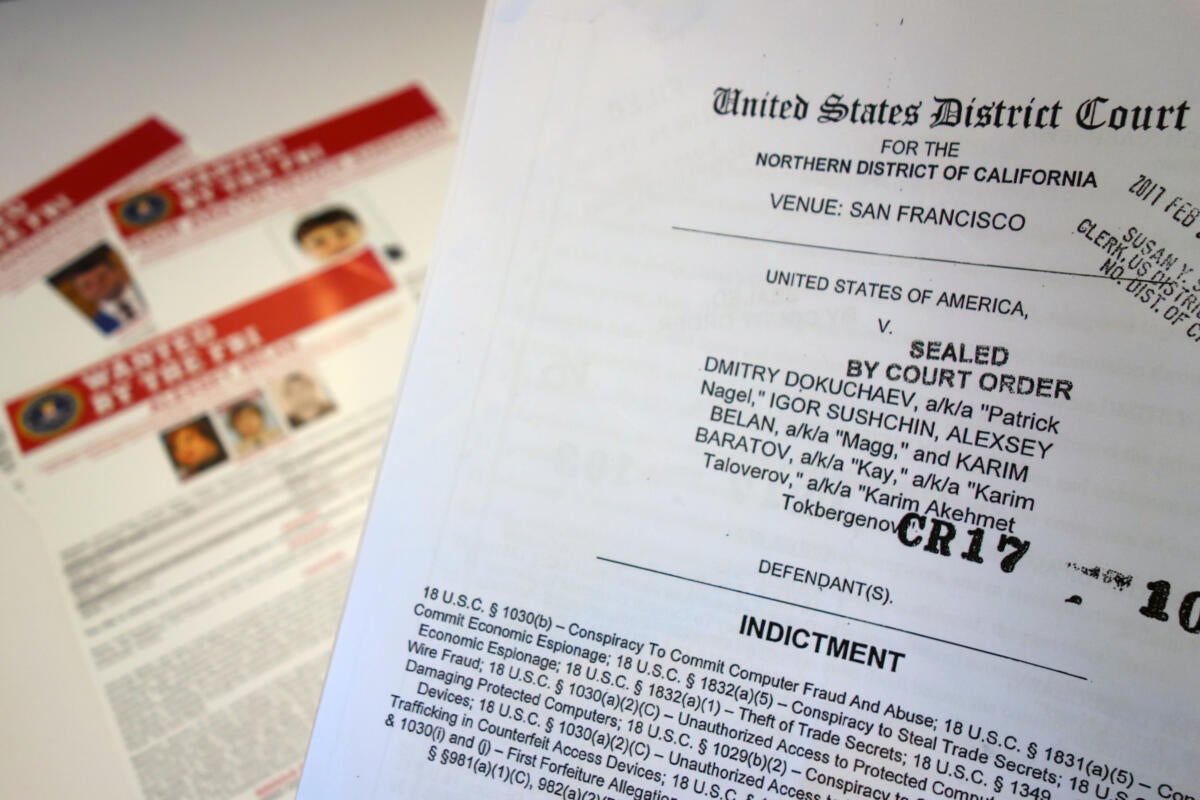
The U.S. Federal Bureau of Investigation has been investigating the intrusion for two years, but it was only in late 2016 that the full scale of the hack became apparent. On Wednesday, the FBI indicted four people for the attack, two of whom are Russian spies.

Here’s how the FBI says they did it:

To read this article in full or to leave a comment, please click here

Read More