ComputerWorld

ComputerWorldIndependent

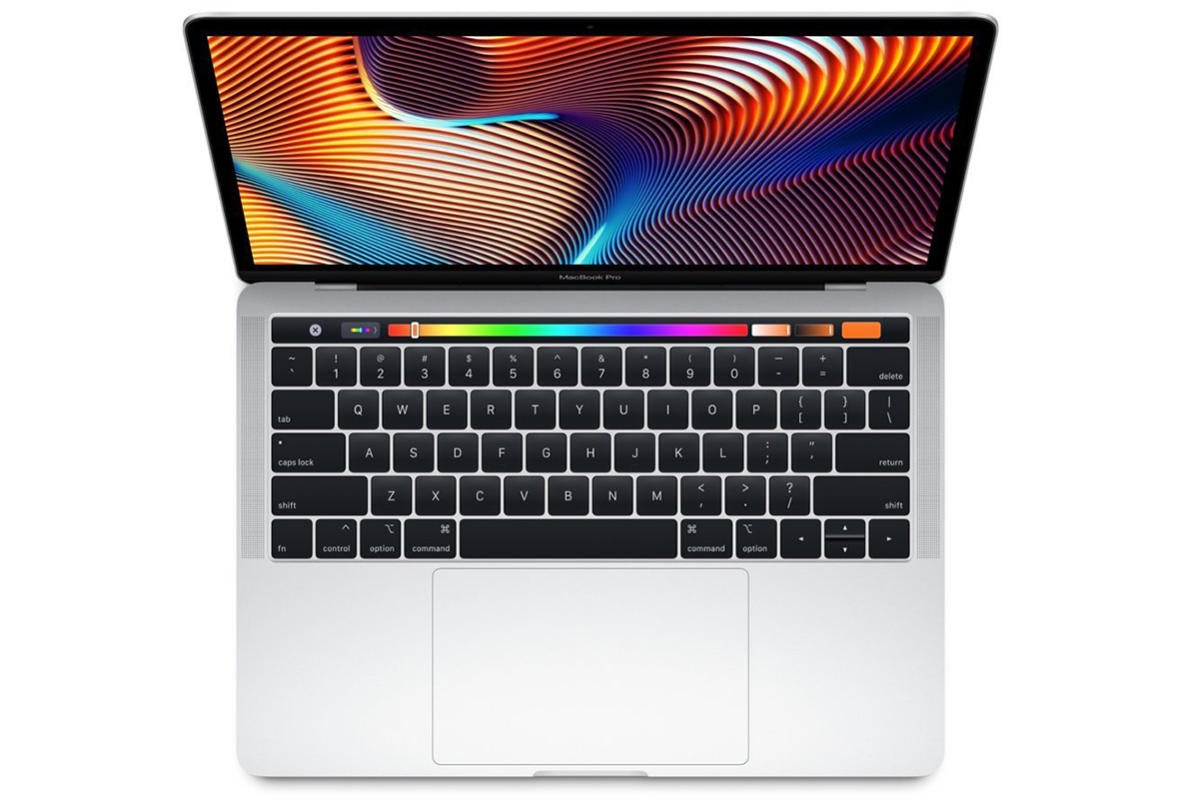
How ‘Find My’ Mac works in macOS Catalina and iOS 13

Credit to Author: Jonny Evans| Date: Fri, 21 Jun 2019 08:13:00 -0700

Apple is changing how its Find My Mac tool works in macOS Catalina and iOS – it will now use Bluetooth and should find your Mac even when it is asleep.

How does ‘Find My’ Mac work?

Apple is combining two apps – Find My Friends and Find My iPhone into a new ‘Find My’ app.

The combined app offers what we are used to from each one of these individual apps, but introduces new tools based on Bluetooth.

The ideas is that it will use low energy Bluetooth signals to help bring people together with lost things.

To read this article in full, please click here

Read More
ComputerWorldIndependent

Google asks Chrome users for help in spotting deceptive sites

Credit to Author: Gregg Keizer| Date: Wed, 19 Jun 2019 12:46:00 -0700

Google this week asked for help in identifying suspicious websites, offering users of its Chrome browser an add-on that lets them rat out URLs.

The Suspicious Site Reporter, which can be added to desktop Chrome, places a new flag-style icon on the top bar of the browser. “By clicking the icon, you’re now able to report unsafe sites to Safe Browsing for further evaluation,” Emily Schechter, a Chrome product manager, wrote in a Tuesday post to a company blog.

Safe Browsing is the name of the technology used by Google’s search engine, Chrome, Mozilla’s Firefox, Apple’s Safari, and Android to steer users away from sites that host malicious or deceptive content. On the back end, Google uses robots to scan the web and build a list of websites that host malware, harmful downloads or deceptive ads and pages. Software developers can then plug into an API to integrate this list into their own applications, something rival browser makers have done for years.

To read this article in full, please click here

Read More
ComputerWorldIndependent

What the latest iOS passcode hack means for you

Credit to Author: Lucas Mearian| Date: Tue, 18 Jun 2019 14:25:00 -0700

A mobile device forensics company now says it can break into any Apple device running iOS 12.3 or below.

Israeli-based Cellebrite made the announcement on an updated webpage and through a tweet where it asserted it can unlock and extract data from all iOS and “high-end Android” devices.

On the webpage describing the capabilities of its Universal Forensic Extraction Device (UFED) Physical Analyzer, Cellebrite said it can “determine locks and perform a full file- system extraction on any iOS device, or a physical extraction or full file system (File-Based Encryption) extraction on many high-end Android devices, to get much more data than what is possible through logical extractions and other conventional means.”

To read this article in full, please click here

Read More
ComputerWorldIndependent

How the Huawei ban could become a security threat | TECH(feed)


We’ve already talked about how the Huawei ban may affect business, but how will it affect security? Google has already warned of security threats should the company be unable to send updates to Huawei’s Android-powered devices. And even if Huawei responds with its own OS, will people trust it? In this episode of TECH(feed), Juliet discusses those security implications and what some people think the U.S. should do instead.

Read More
ComputerWorldIndependent

Time-Machine Tuesday: Get a room!

Credit to Author: Sharky| Date: Tue, 18 Jun 2019 03:00:00 -0700

This security pilot fish is a big believer in automated systems. And he’s very impressed when his company moves into new offices where the meeting rooms take the manual labor out of scheduling meetings.

“There are room wizards outside every door to assist in scheduling,” fish says. “And there’s full integration with Microsoft Exchange, so that your meeting information is accurate and timely and always shows the proper room.”

One of fish’s most important meetings is a committee meeting every month on the day after Patch Tuesday to consider how to handle that batch of Microsoft updates. It’s been a regular meeting for years, and after the move the new scheduling system seems to handle it fine.

To read this article in full, please click here

Read More
ComputerWorldIndependent

WWDC: Has Apple closed the door on non-Mac App Store apps?

Credit to Author: Jonny Evans| Date: Mon, 17 Jun 2019 07:58:00 -0700

Ever since Apple introduced the Mac App Store developers have warned it plans to close off its platform, so news the company will insist on App Notarization in macOC Catalina set those critics off again. The thing is, it’s a little more complicated.

What is Apple doing?

Yes, Apple is making it a little more difficult for Mac users to install apps that aren’t sold at the Mac App Store or made available from bona fide developers happy to submit their software for the company’s speedy App notarization service.

To read this article in full, please click here

Read More
ComputerWorldIndependent

The case against knee-jerk installation of Windows patches

Credit to Author: Woody Leonhard| Date: Mon, 17 Jun 2019 03:10:00 -0700

Heresy. Yes, I know. Any way you slice it, from my point of view anyway, Windows Automatic Update is for chumps.

Just like the “users must be forced to change their passwords frequently” argument that’s no longer au courant, the “users must get patched immediately” argument is based on old, faulty, and totally unsubstantiated claims that make security people feel better — and little else.

With a few notable exceptions, in the real world, the risks of getting clobbered by a bad patch far, far outweigh the risks of getting hit with a just-patched exploit. Many security “experts” huff and puff at that assertion. The poohbahs preach Automatic Update for the unwashed masses, while frequently exempting themselves from the edict.

To read this article in full, please click here

Read More
ComputerWorldIndependent

WWDC: Apple’s iOS 13 NFC improvements are good for business

Credit to Author: Jonny Evans| Date: Thu, 13 Jun 2019 07:08:00 -0700

Apple will make NFC much more useful in iPhones running iOS 13, and these enhancements will impact the retail, medical, government and security industries.

What is Apple changing?

Apple already uses NFC to support Apple Pay and the Apple Pay Express Transit system which is rolling out at this time.

While it has incrementally extended the tasks NFC supports over the years, the company has limited its NFC support to the NDEF standard until now, but extends this with support for new standards in its Core NFC Framework in iOS 13.

To read this article in full, please click here

Read More