Independent

ComputerWorldIndependent

How your web browser tells you when it's safe

Credit to Author: Gregg Keizer| Date: Wed, 23 May 2018 13:27:00 -0700

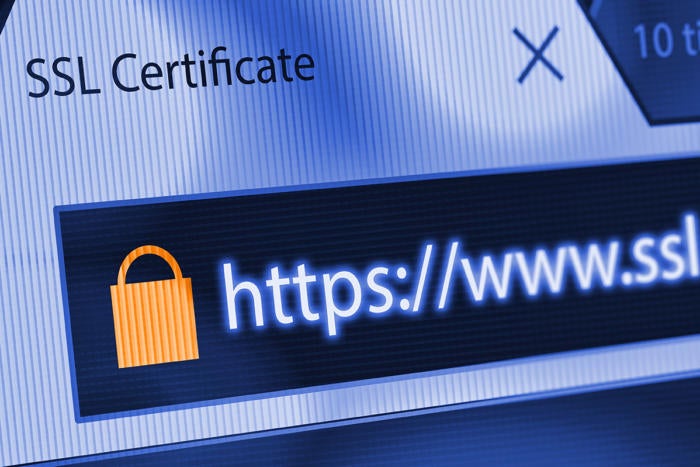
Google last week spelled out the schedule it will use to reverse years of advice from security experts when browsing the Web – to “look for the padlock.” Starting in July, the search giant will mark insecure URLs in its market-dominant Chrome, not those that already are secure. Google’s goal? Pressure all website owners to adopt digital certificates and encrypt the traffic of all their pages.

The decision to tag HTTP sites – those not locked down with a certificate and which don’t encrypt server-to-browser and browser-to-server communications – rather than label the safer HTTPS websites, didn’t come out of nowhere. Google has been promising as much since 2014.


To read this article in full, please click here

Read More
ComputerWorldIndependent

How to see everything Apple knows about you (u)

Credit to Author: Jonny Evans| Date: Mon, 30 Apr 2018 04:41:00 -0700

Apple has at last introduced a new tool that lets you request and download everything the company knows about you, including all the data it gathers and retains when using the company’s retail outlets, iCloud, apps, products, and services.

Why is this tool available?

In part, Apple has made this information available to bring it into line with Europe’s GDPR (General Data Protection Regulation) legislation, laws designed to better protect individual privacy in an online age.

Google, Facebook, Twitter, and almost every other company has also had to introduce these tools, making it far easier for users to compare the quantity and depth of information these unconstrained corporations hold about them.

To read this article in full, please click here

Read More
IndependentKrebs

Mobile Giants: Please Don’t Share the Where

Credit to Author: BrianKrebs| Date: Tue, 22 May 2018 16:05:50 +0000

Your mobile phone is giving away your approximate location all day long. This isn’t exactly a secret: It has to share this data with your mobile provider constantly to provide better call quality and to route any emergency 911 calls straight to your location. But now, the major mobile providers in the United States — AT&T, Sprint, T-Mobile and Verizon — are selling this location information to third party companies — in real time — without your consent or a court order, and with apparently zero accountability for how this data will be used, stored, shared or protected. It may be tough to put a price on one’s location privacy, but here’s something of which you can be sure: The mobile carriers are selling data about where you are at any time, without your consent, to third-parties for probably far less than you might be willing to pay to secure it.

Read More
ComputerWorldIndependent

Google details how it will overturn encryption signals in Chrome

Credit to Author: Gregg Keizer| Date: Mon, 21 May 2018 13:45:00 -0700

Google has further fleshed out plans to upend the historical approach browsers have taken to warn users of insecure websites, spelling out more gradual steps the company will take with Chrome this year.

Starting in September, Google will stop marking plain-vanilla HTTP sites – those not secured with a digital certificate, and which don’t encrypt traffic between browser and site servers – as secure in Chrome’s address bar. The following month, Chrome will tag HTTP pages with a red “Not Secure” marker when users enter any kind of data.

Eventually, Google will have Chrome label every HTTP website as, in its words, “affirmatively non-secure.” By doing so, Chrome will have completed a 180-degree turn from browsers’ original signage – marking secure HTTPS sites, usually with a padlock icon of some shade, to indicate encryption and a digital certificate – to labeling only those pages that are insecure.

To read this article in full, please click here

Read More
ComputerWorldIndependent

Easy mobile security the Faraday way

Credit to Author: Mike Elgan| Date: Sat, 19 May 2018 03:00:00 -0700

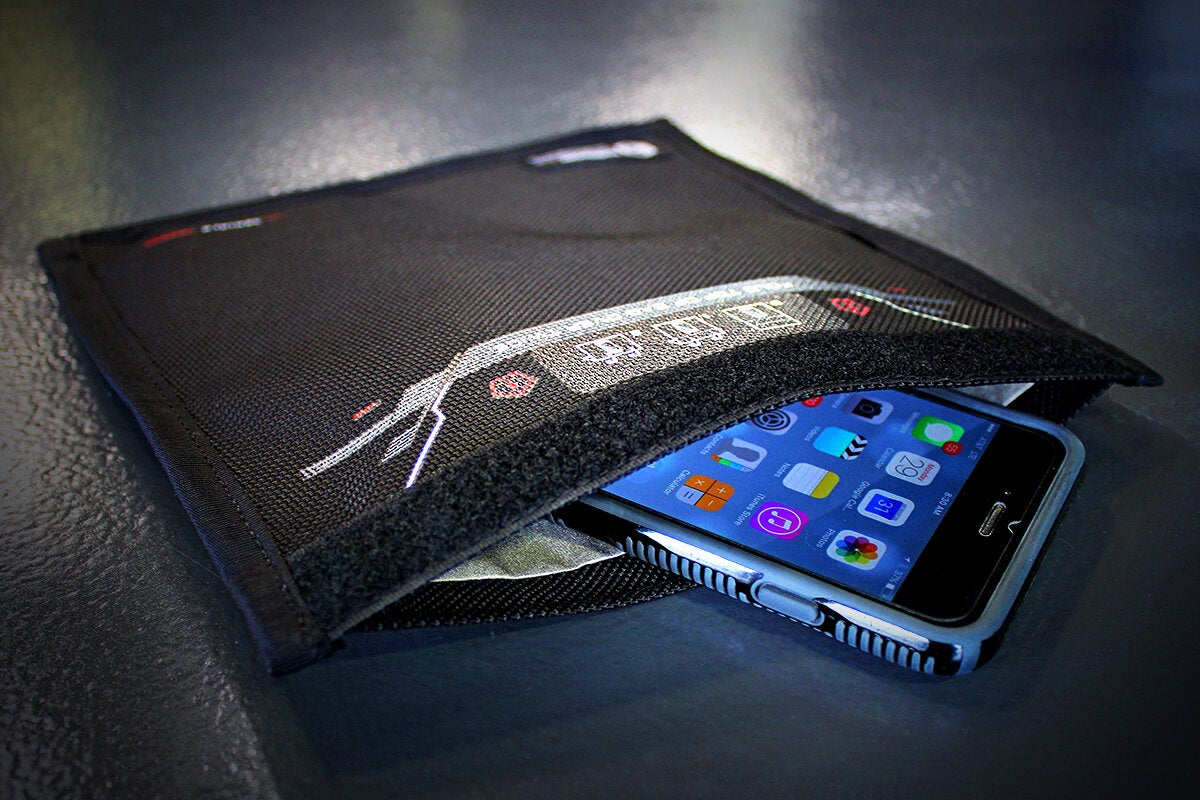
Have you heard about those special bags, cases and wallets that protect your electronics from hack attacks?

It’s a signal-blocking container, basically a tinfoil hat for your gadget.

Tinfoil hats are associated with conspiracy theorists concerned about secret government mind-control programs. But when it comes to your wireless gadgets, they really are out to get you.

For example: It’s not a conspiracy theory to believe that companies you’ve never heard of are tracking your location.

In the past two weeks, we’ve learned that a company called Securus Technologies sold the real-time location data of millions of people. It got this data from another company called LocationSmart, which itself was buying the data from AT&T, Sprint, T-Mobile and Verizon.

To read this article in full, please click here

Read More
IndependentKrebs

T-Mobile Employee Made Unauthorized ‘SIM Swap’ to Steal Instagram Account

Credit to Author: BrianKrebs| Date: Fri, 18 May 2018 18:35:24 +0000

T-Mobile is investigating a retail store employee who allegedly made unauthorized changes to a subscriber’s account in an elaborate scheme to steal the customer’s three-letter Instagram username. The modifications, which could have let the rogue employee empty bank accounts associated with the targeted T-Mobile subscriber, were made even though the victim customer already had taken steps recommended by the mobile carrier to help minimize the risks of account takeover. Here’s what happened, and some tips on how you can protect yourself from a similar fate.

Read More