Independent

ComputerWorldIndependent

Well, it's secure, all right…

Credit to Author: Sharky| Date: Wed, 16 May 2018 03:00:00 -0700

This small IT consulting outfit gets a contract with a very, very big company — which is a very big deal, says a pilot fish at the consultancy.

“On a daily basis, a large text data file needs to get loaded into a very fast database, and that information is used to deal or not deal with certain customers,” fish explains. “And this all has to happen in real time.”

The big client is very security conscious, and it won’t let the consultancy download the data from the client’s site. Instead, a third-party site is used, and access is through a secure connection with a totally inscrutable password.

And on the first day, everything works fine. The big client puts the data on the site and fish’s company downloads the data, then keeps checking back periodically to see if anything has been added or changed.


To read this article in full, please click here

Read More
IndependentKrebs

Detecting Cloned Cards at the ATM, Register

Credit to Author: BrianKrebs| Date: Mon, 14 May 2018 15:24:38 +0000

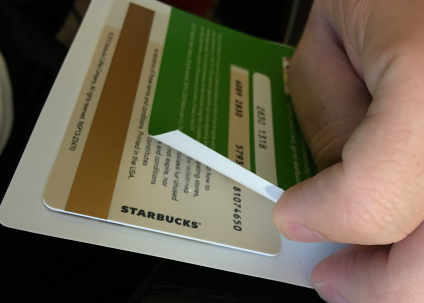
Much of the fraud involving counterfeit credit, ATM debit and retail gift cards relies on the ability of thieves to use cheap, widely available hardware to encode stolen data onto any card’s magnetic stripe. But new research suggests retailers and ATM operators could reliably detect counterfeit cards using a simple technology that flags cards which appear to have been altered by such tools.

Read More
ComputerWorldIndependent

And thanks so much for your input, boss!

Credit to Author: Sharky| Date: Mon, 14 May 2018 03:00:00 -0700

It’s 1999, and in this IT department the big crisis isn’t Y2k, says a pilot fish there — it’s the Melissa virus.

“We were infected, and we were all called into the Emergency Operations Center to devise a strategy to determine the extent of infection and how to mitigate the effects,” fish says.

“The server admins were coming up with methods to clean up any servers that were affected. The desktop group was trying to figure out how many desktops were infected. We in the network group were trying to come up with a way to block traffic from the virus, both inbound and outbound, at the firewalls.

“Everything was moving as well as could be expected, but we had to give an update to senior leadership on progress.

To read this article in full, please click here

Read More
ComputerWorldIndependent

Watch out for Gmail’s new Confidential Mode

Credit to Author: Mike Elgan| Date: Sat, 12 May 2018 03:00:00 -0700

Most email can either be secure or easy to use. You can have one but not both.

That’s why people are so excited about a new feature in Google’s Gmail. It’s called Confidential Mode, and it’s an easy way to make email more private.

Confidential Mode lets you add an “expiration date” to emails. Once that date arrives, the email is no longer viewable by the recipient.

Messages marked as Confidential can’t be copied, forwarded, printed or downloaded.

And you can revoke access at any time.

Sounds great, right? Well, not so fast. There are a lot of “gotchas” in the new Confidential Mode that you need to know about.

To read this article in full, please click here

Read More
ComputerWorldIndependent

Two more evolving threats: JavaScript in Excel and payment processing in Outlook

Credit to Author: Woody Leonhard| Date: Fri, 11 May 2018 09:04:00 -0700

Once upon a time – dating back to the first “Concept” macro virus in Word – the Office folks were wary of new features that had possible security implications. But in the past few weeks, we’ve been introduced to two new features that have “Kick Me” written all over them.

First, JavaScript in Excel. I mean, what could possibly go wrong?

Last December, Microsoft published a Dev Center article that talked about using the new Excel JavaScript API to create add-ins for Excel 2016.

To read this article in full, please click here

Read More