Independent

ComputerWorldIndependent

Start-up emerges with an ‘enterprise browser'
Credit to Author: Lucas Mearian| Date: Wed, 02 Feb 2022 04:00:00 -0800

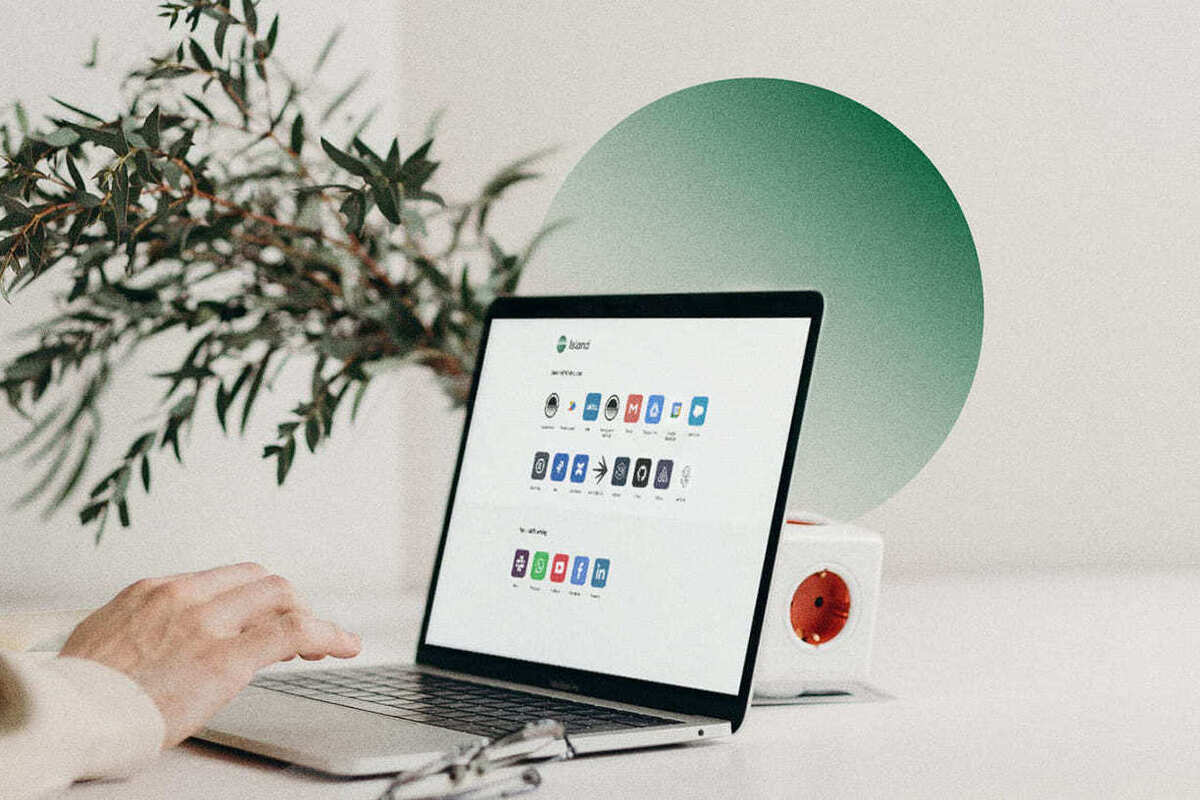
A start-up has emerged from stealth mode to announce what it describes as one of the world’s first enterprise-specific browsers, capable of governing how users interact with all SaaS and web applications.

The new Island web browser is based on the widely used Chromium open-source platform. Launched by a company with the same name, Island offers users a familiar online experience while governing what sites they can visit, the data they can view, and what files they can download or upload. Restrictions can be dialed up or down and can be specific to a user’s role in an organization.

For example, a user could be surfing the web with the standard Chrome, Edge, or Safari browsers, but if they try to access a site that’s off-limits based on the Island settings, they’d be blocked and told to use their secure browser. The Island browser can even stop an employee from taking screenshots of sensitive data, depending on the settings IT admins choose to implement.

To read this article in full, please click here

Read More
ComputerWorldIndependent

Why Apple’s improved 2FA protection matters to business

Credit to Author: Jonny Evans| Date: Tue, 01 Feb 2022 06:01:00 -0800

Apple has introduced a new layer of protection to its existing two-factor authentication (2FA) system, making it a little harder for phishing attacks to successfully steal valuable authentication credentials.

Given that Apple, PayPal, and Amazon were the top three brands used for successful phishing attacks last year, according to a recent Jamf report, this matters.

Phishing costs billions and is bad for business

Phishing is a huge problem. The scale of these attacks shot up during the pandemic. The FBI Internet Crime Report 2020 revealed that phishing attacks affected 241,342 victims in 2020, up from 114,702 in 2019, with adjusted losses of more than $54 billion. Verizon’s 2021 Data Breach Investigations Report confirmed that 36% of data breaches that year involved phishing.

To read this article in full, please click here

Read More
ComputerWorldIndependent

Jamf CEO weighs in on Apple deployments and enterprise security

Credit to Author: Jonny Evans| Date: Thu, 27 Jan 2022 08:34:00 -0800

“Apple will become the number one device ecosystem in the enterprise by the end of this decade,” Jamf CEO Dean Hager told me while introducing an in-depth enterprise security trends report that enterprises should look at.

Apple continues to see incredible growth

The nature of enterprise IT is rapidly becoming multiplatform. Jamf recently shared some details concerning the rapid growth in Apple device deployments it is seeing in business. For example, it now has 60,000 active customers, up from 36,000 two years before that – and believes new services such as Apple Business Essentials will help maintain this growth.

To read this article in full, please click here

Read More
ComputerWorldIndependent

Test your outrage over Google's new Topics advertising system

Credit to Author: JR Raphael| Date: Thu, 27 Jan 2022 04:00:00 -0800

Google sure has taken an awful lot of heat over its advertising practices lately.

But why, exactly? Today, I’d like to explore that. I’ve concocted a four-question quiz that’ll gauge your rage and help determine whether it’s aimed at the right source or perhaps misplaced. But first, we need to catch up on what exactly is happening right now and how we reached this point.

The whole recent Google advertising debacle started with the crumbling state of the digital cookie, y’see — the pressure for Google to move away from its age-old practice of using tiny (and rather tasty-sounding) tidbits of data provided by websites to see what sort of stuff you’re interested in and then show you ads that match those subjects.

To read this article in full, please click here

Read More
ComputerWorldIndependent

Will World War III begin in cyberspace?

Credit to Author: Steven J. Vaughan-Nichols| Date: Tue, 25 Jan 2022 03:00:00 -0800

People die because of cyber wars, even if no bullets are ever fired. Instead, they die in emergency rooms that no longer have power, from broken medical communication networks, and from riots. All of this has happened before. It will happen again. And now, with Russia poised to invade Ukraine and Russian cyberattacks already in motion, we can only hope and pray that what promises to be the first major European war since World War II doesn’t spark the next World War.

If it does, I fear the proximate cause won’t be Russian T-90 main battle tanks trying to smash their way into Ukraine’s capital, Kyiv. It will be the Russian GRU Sandworm hacking group launching a cyberattack that perhaps wrecks the European Union power grid; or knocks out major US internet sites such as Google, Facebook, and Microsoft; or stops 4G and 5G cellular services in their tracks.

To read this article in full, please click here

Read More
ComputerWorldIndependent

VPNs and browsers — staying secure while online

Credit to Author: Susan Bradley| Date: Mon, 24 Jan 2022 09:08:00 -0800

In business, we’ve used Virtual Private Networks (VPNs) for years. But I’m now seeing recommendations that consumers use VPN software to make internet connections more private so sites can’t snoop on your surfing and other communications. As someone who runs a website that uses IP address reputation as a guide to know who is and is not reputable on my site, I can tell you that using a VPN often assigns you an IP address that’s less than stellar. As a result, if you attempt to access sites that check for reputation, such as your bank, you may find yourself blocked.

I’m not against the concept of consumer-based VPN software, but I’m not convinced it’s the security panacea many think it is. Users think it’s keeping sites from tracking them, or keeping them safe when surfing on coffee shop Wi-Fi. They think it keeps prying eyes from reviewing our web traffic. But all VPN software is not created equal. I recently read new research from Consumer Reports that tested various VPN platforms; I was surprised to find that the top VPN providers included vendors I’ve not even heard of.

To read this article in full, please click here

Read More
ComputerWorldIndependent

Microsoft beefs up Edge's security against zero-day attacks

Credit to Author: Lucas Mearian| Date: Thu, 20 Jan 2022 13:16:00 -0800

In the latest release of its Edge beta, Microsoft introduced a new way for IT admins to better secure the Chromium-based browser against web-based attacks.

The release notes for Microsoft Edge Beta Channel describe the new security features as employing several techniques to guard against so-called zero-day exploits; Zero-day exploits are software or network vulnerabilities developers are unaware of, and so they’ve not been patched.

Imagine if the keylock mechanism on your home’s backdoor was faulty and jiggling the doorknob released the latch. Burglars could walk door to door looking for that particular vulnerability and jiggle doorknobs until one opened. Zero days are the same concept, but in cyberspace.

To read this article in full, please click here

Read More
IndependentKrebs

Fake Investor John Bernard Sinks Norwegian Green Shipping Dreams

Credit to Author: BrianKrebs| Date: Sat, 29 Jan 2022 18:05:52 +0000

Several articles here have delved into the history of John Bernard, the pseudonym used by a fake billionaire technology investor who’s tricked dozens of start-ups into giving him tens of millions of dollars. Bernard’s latest victim — a Norwegian startup hoping to build a fleet of environmentally friendly shipping vessels — is now embroiled in a lawsuit over a deal gone bad, in which Bernard falsely claimed to have secured $100 million from six other wealthy investors, including the founder of Uber and the artist Abel Makkonen Tesfaye, better known as The Weeknd.

Read More