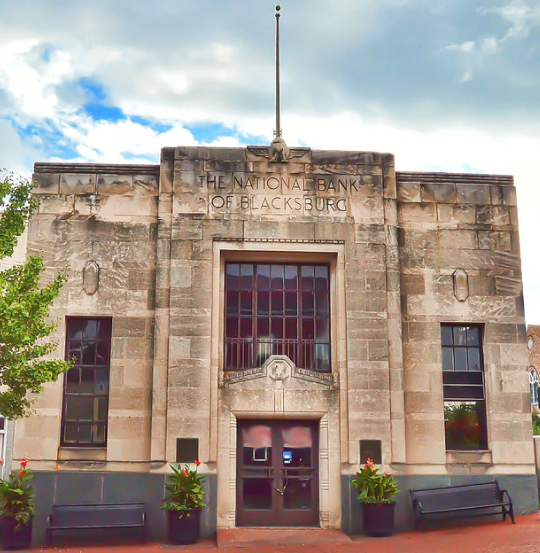
Hackers used phishing emails to break into a Virginia bank in two separate cyber intrusions over an eight-month period, making off with more than $2.4 million total. Now the financial institution is suing its cybersecurity insurance provider for refusing to fully cover the losses.
Cloud-based human resources company ComplyRight said this week that a security breach of its Web site may have jeopardized sensitive consumer information — including names, addresses, phone numbers, email addresses and Social Security numbers — from tax forms submitted by the company’s thousands of clients on behalf of employees. Cloud-based human resources company ComplyRight said this week that a security breach of its Web site may have jeopardized sensitive consumer information — including names, addresses, phone numbers, email addresses and Social Security numbers — from tax forms submitted by the company’s clients on behalf of employees. Pompano Beach, Fla-based ComplyRight began mailing breach notification letters to affected consumers late last week, but the form letters are extremely vague about the scope and cause of the breach. Indeed, many readers who received these letters wrote to KrebsOnSecurity asking for more information, as the company hadn’t yet published any details about the breach on its Web site. Also, most of those folks said they’d never heard of ComplyRight and could not remember ever doing business with a company by that name.
Credit to Author: BrianKrebs| Date: Wed, 13 Jun 2018 20:14:40 +0000
In the days following revelations last September that big-three consumer credit bureau Equifax had been hacked and relieved of personal data on nearly 150 million people, many Americans no doubt felt resigned and powerless to control their information. But not Jessamyn West. The 49-year-old librarian from a tiny town in Vermont took Equifax to court. And now she’s celebrating a small but symbolic victory after a small claims court awarded her $600 in damages stemming from the 2017 breach.
Credit to Author: BrianKrebs| Date: Tue, 05 Jun 2018 19:50:12 +0000
MyHeritage, an Israeli-based genealogy and DNA testing company, disclosed today that a security researcher found on the Internet a file containing the email addresses and hashed passwords of more than 92 million of its users.
Credit to Author: BrianKrebs| Date: Thu, 17 May 2018 18:29:18 +0000
LocationSmart, a U.S. based company that acts as an aggregator of real-time data about the precise location of mobile phone devices, has been leaking this information to anyone via a buggy component of its Web site — without the need for any password or other form of authentication or authorization — KrebsOnSecurity has learned. The company took the vulnerable service offline early this afternoon after being contacted by KrebsOnSecurity, which verified that it could be used to reveal the location of any AT&T, Sprint, T-Mobile or Verizon phone in the United States to an accuracy of within a few hundred yards.
Credit to Author: BrianKrebs| Date: Wed, 02 May 2018 19:26:47 +0000
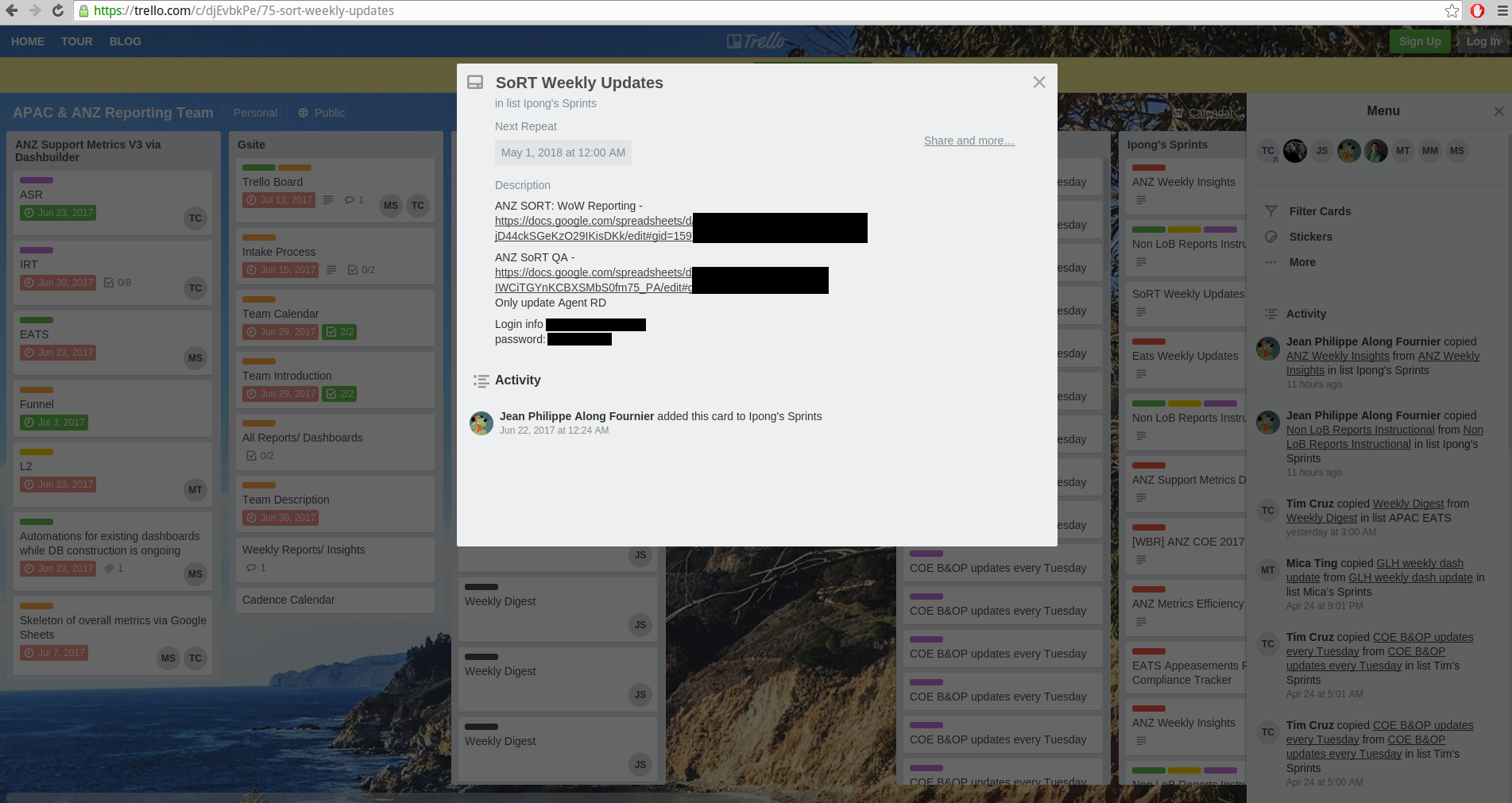
Storing passwords in plaintext online is never a good idea, but it’s remarkable how many companies have employees who are doing just that using online collaboration tools like Trello.com. Last week, KrebsOnSecurity notified a host of companies that employees were using Trello to share passwords for sensitive internal resources. Among those put at risk by such activity included an insurance firm, a state government agency and ride-hailing service Uber.com.
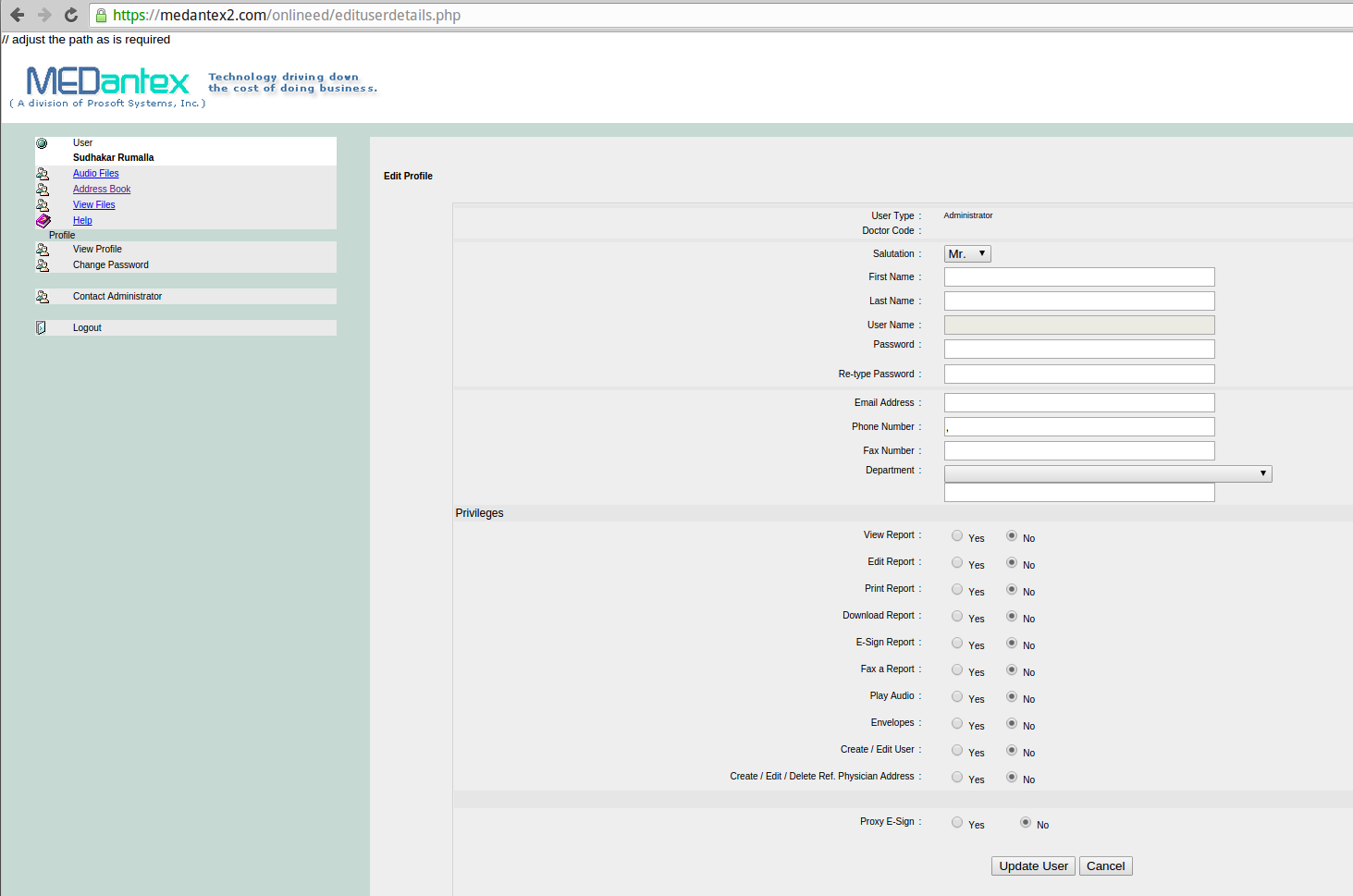
MEDantex, a Kansas-based company that provides medical transcription services for hospitals, clinics and private physicians, took down its customer Web portal last week after being notified by KrebsOnSecurity that it was leaking sensitive patient medical records — apparently for thousands of physicians.
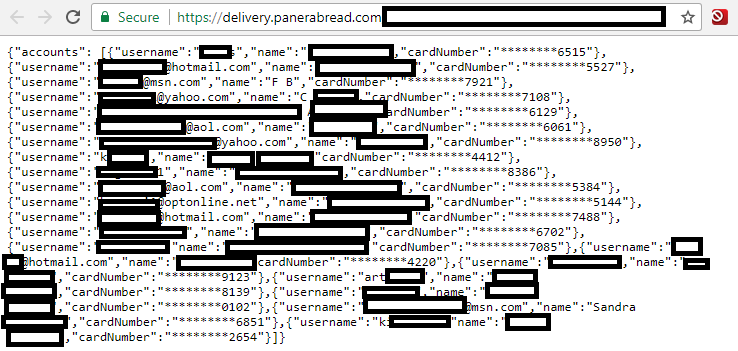
Panerabread.com, the Web site for the American chain of bakery-cafe fast casual restaurants by the same name, leaked millions of customer records — including names, email and physical addresses, birthdays and the last four digits of the customer’s credit card number — for at least eight months before it was yanked offline earlier today, KrebsOnSecurity has learned. The data available in plain text from Panera’s site appeared to include records for any customer who has signed up for an account to order food online via panerabread.com. The St. Louis-based company, which has more than 2,100 retail locations in the United States and Canada, allows customers to order food online for pickup in stores or for delivery.