Kaspersky Lab and the Russia connection | Salted Hash Ep 1, Pt 1

Reporters Fahmida Rashid and Steve Ragan talk about antivirus vendor Kaspersky Lab, a Russian-based company that various U.S. agencies have flagged as untrustworthy. Should you use it?
RSS Reader for Computer Security Articles
Reporters Fahmida Rashid and Steve Ragan talk about antivirus vendor Kaspersky Lab, a Russian-based company that various U.S. agencies have flagged as untrustworthy. Should you use it?
Credit to Author: Trend Micro| Date: Thu, 07 Sep 2017 13:00:45 +0000
 As much as smartphones and applications have evolved over the years, so has mobile malware. We’re seeing an increasing number of threats—from mobile ransomware and auto-clicking adware to dangerous backdoors that can compromise your privacy. And there are also legitimate personal applications that can be taken advantage of and used to target your enterprise. With…
Credit to Author: Issie Lapowsky| Date: Thu, 07 Sep 2017 10:00:00 +0000
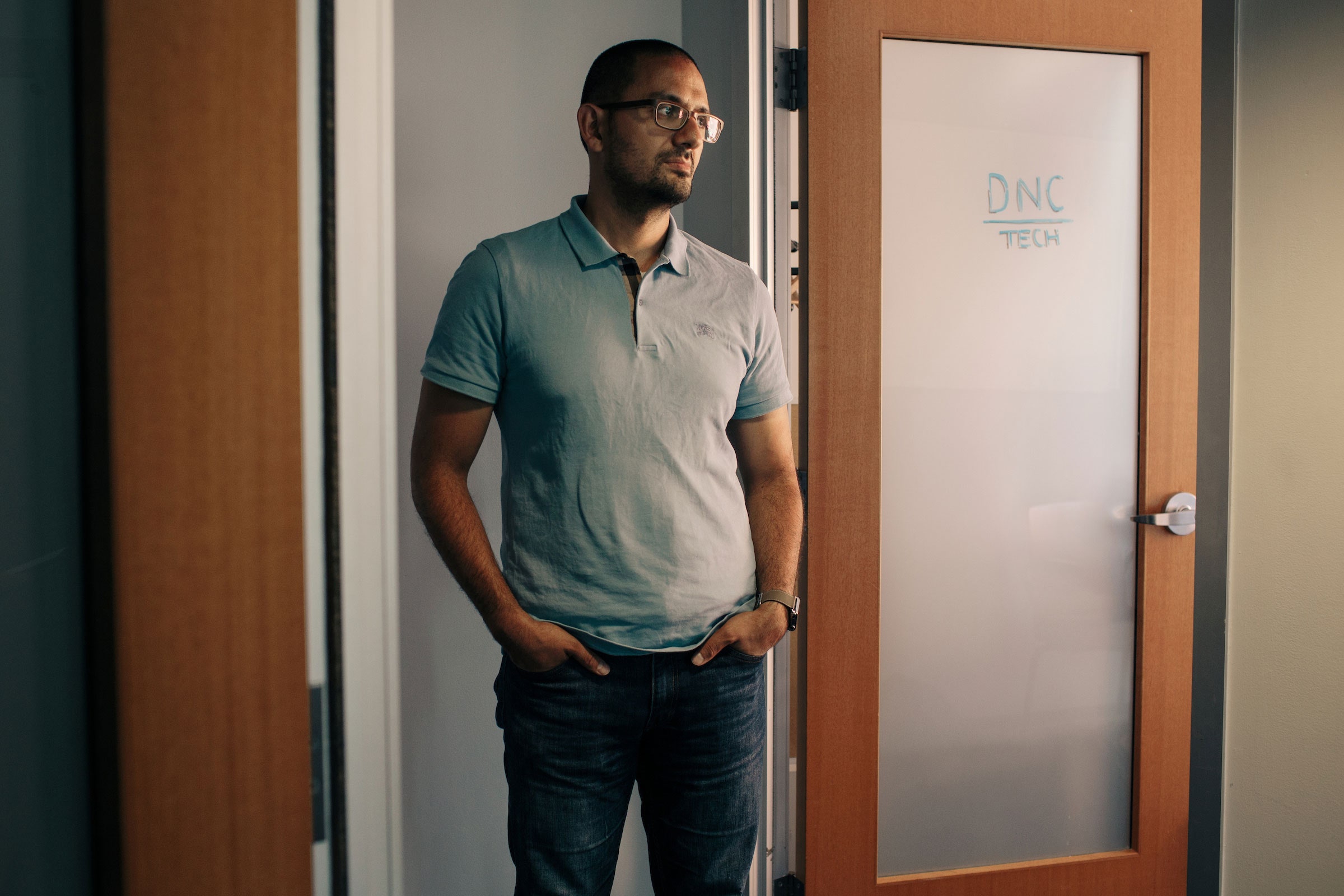
Uber’s former head of self-driving cars is now driving the DNC’s tech team, hoping to help the shattered organization recover from one of the worst tech fails in history.
Read More
The panelists break down Cisco's intent-based networking strategy, which brings machine learning to the networking realm. Plus, they hash out the ramifications for the security industry.
The panelists talk about GPS spoofing, and rumors about hacking as a factor in recent ship collisions. Plus, they sort out the difference between GPS spoofing and GPS jamming.
Ahead of the latest Apple smartwatch rollout, the panelists debate whether vendors made a mistake introducing smartwatches to consumers first, rather than pursuing the enterprise market.
Credit to Author: Andy Greenberg| Date: Wed, 06 Sep 2017 10:00:00 +0000
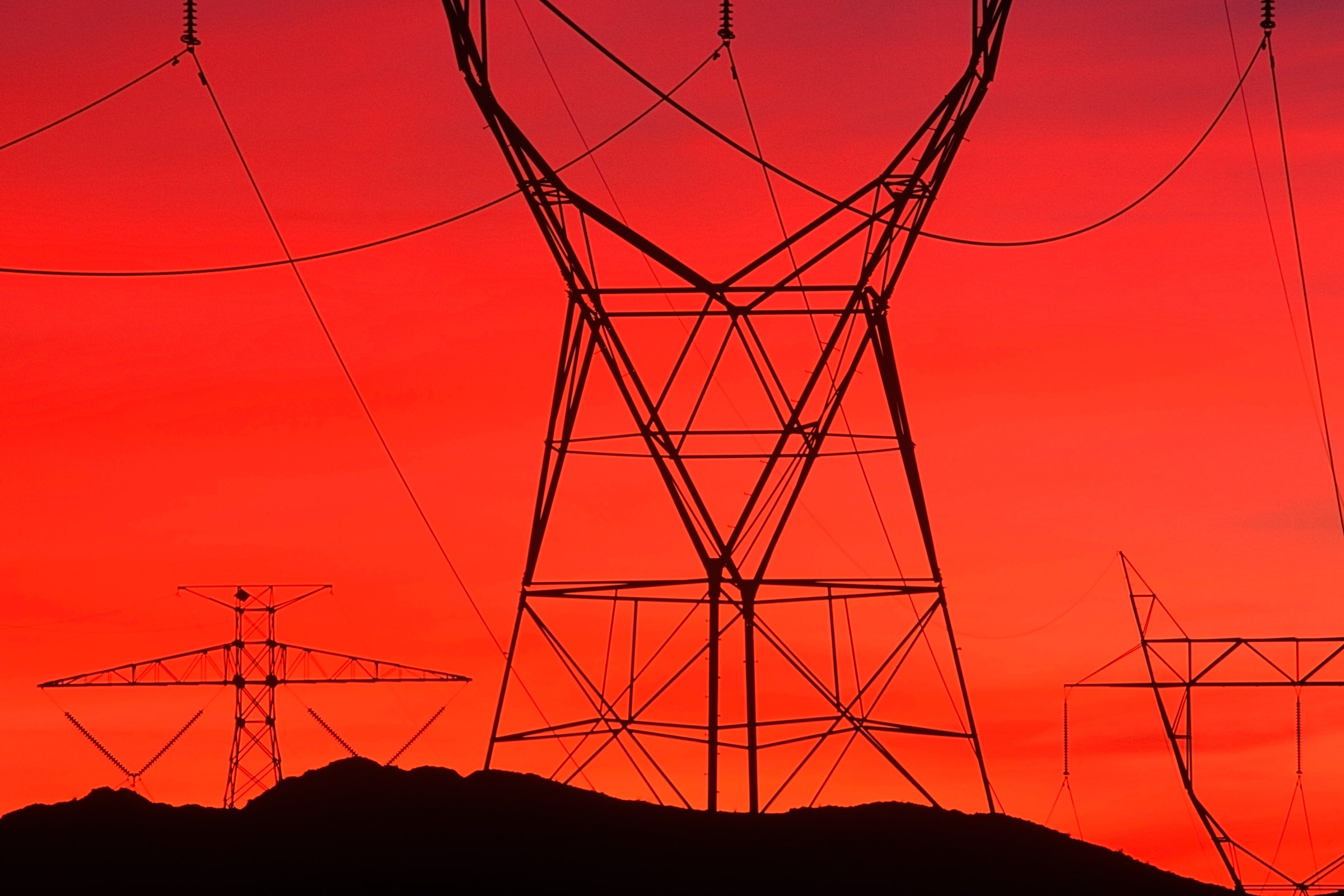
Hackers who hit American utilities this summer had the power to cause blackouts, Symantec says. And yes, most signs point to Russia.
Read More
The panelists talk about their pricing predictions for the newest iPhone. Will this be the Apple device that gives consumers sticker shock?