Security

ComputerWorldIndependent

Trump's cybersecurity order pushes U.S. government to the cloud
Credit to Author: Michael Kan| Date: Thu, 11 May 2017 14:28:00 -0700

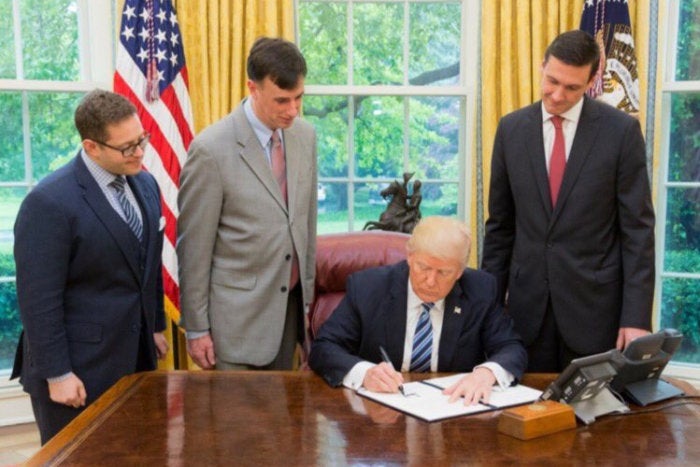
President Donald Trump has finally signed a long-awaited executive order on cybersecurity, and he called for the U.S. government to move more into the cloud and modernize its IT infrastructure.

The order, signed on Thursday, is designed to “centralize risk” and move the government’s agencies toward shared IT services, White House homeland security adviser Tom Bossert said in a press briefing   

To read this article in full or to leave a comment, please click here

Read More
SecurityTrendMicro

Teaming Up with HITRUST to Raise Cybersecurity Standards in Healthcare

Credit to Author: Ed Cabrera (Chief Cybersecurity Officer)| Date: Thu, 11 May 2017 13:08:36 +0000

From cash-hungry hackers to state-sponsored spies and careless insiders, there’s no shortage of cyber threats facing healthcare organizations (HCOs) today. At Trend Micro, we’ve been protecting organizations operating in the industry for years, but the challenges facing these customers show no signs of abating. In fact, figures from the US Department of Health and Human…

Read More
SecurityTrendMicro

Accelerating AI Research to Improve Threat Protection

Credit to Author: Trend Micro| Date: Thu, 11 May 2017 12:00:21 +0000

AI could remake cyber security.Once the realm of science fiction, artificial intelligence (AI) is now very much science fact. The potential of this ground-breaking technology – and related disciplines including deep learning and machine learning – is so great that even governments in the UK and US have released reports on its long-term impact on society. Nowhere are the…

Read More
ComputerWorldIndependent

Third party antivirus programs interfere with Windows Defender critical patch

Credit to Author: Michael Horowitz| Date: Wed, 10 May 2017 15:37:00 -0700

Like others running Windows, I have been dutifully updating Window Defender the last few days with a fix for a critical bug. The update procedure is simple. Open the Control Panel, click on Windows Defender, and then check for updates.

The only thing out of the ordinary, on Windows 7, is that the update check is hidden behind a downward pointing triangle just to the right of a white question mark (this is not true in Windows 8 or 10). The “about” panel is also here. If the Engine Version is less than 1.1.13704.0 then it needs to be updated immediately.

To read this article in full or to leave a comment, please click here

Read More
ComputerWorldIndependent

Schools in Alabama warn parents about Blue Whale ‘suicide game’ app

Credit to Author: Darlene Storm| Date: Wed, 10 May 2017 10:44:00 -0700

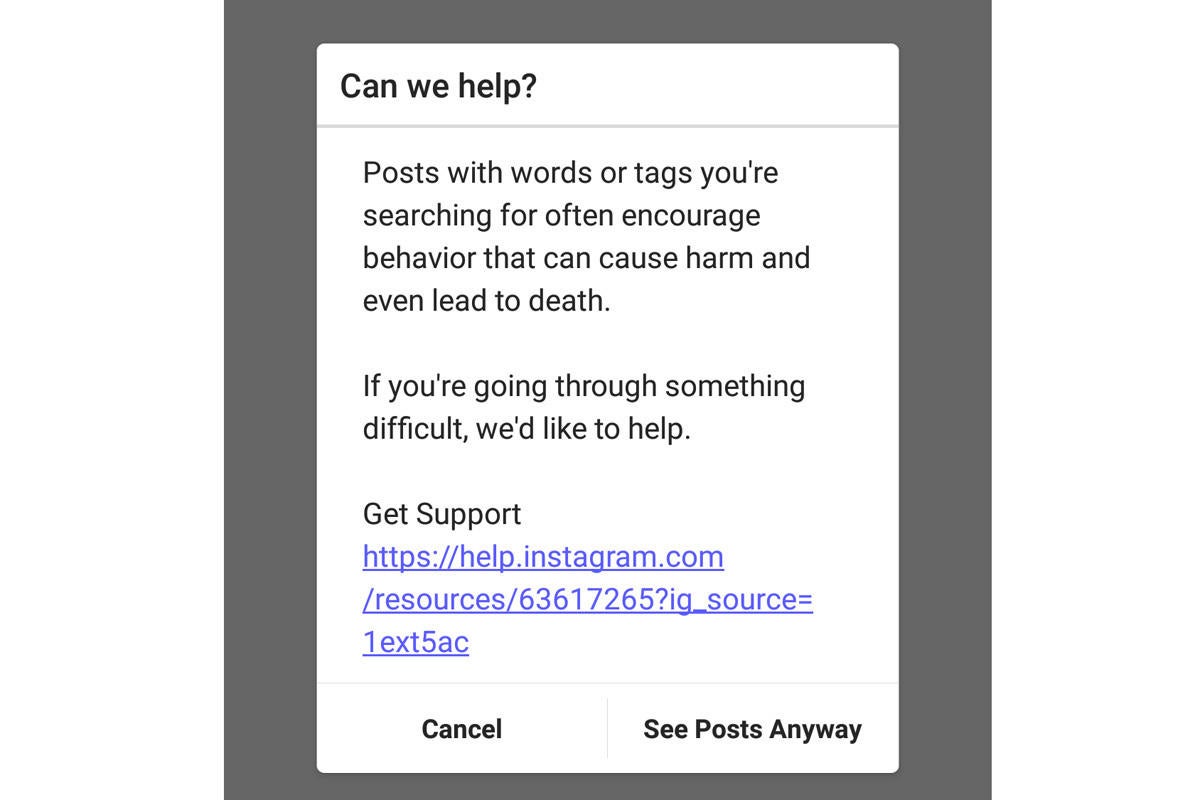
A “suicide game” presented in an app sounds like an urban legend or something from a horror flick, but unfortunately the “Blue Whale Challenge” is real. In fact, police and school districts have issued warnings about the app and even Instagram serves up a warning after searching for the #bluewhalechallenge.

blue whale challenge instagram message IDG

Vulnerable young people are the targets for Blue Whale. Once the app is downloaded onto a phone, it reportedly hacks the phone and harvests the user’s information. In the Blue Whale Challenge, a group administrator – also referenced as a mentor or master – gives a young person a task to complete each day for 50 days. If a person balks at the daily task, then the personal information which was stolen is used as a form of blackmail as in do this or else your private information will be released or your family threatened. The task on the last day is to commit suicide. This is supposedly winning the game.

To read this article in full or to leave a comment, please click here

Read More
ComputerWorldIndependent

Microsoft finally bans SHA-1 certs in IE and Edge

Credit to Author: Lucian Constantin| Date: Wed, 10 May 2017 09:08:00 -0700

The Tuesday updates for Internet Explorer and Microsoft Edge force those browsers to flag SSL/TLS certificates signed with the aging SHA-1 hashing function as insecure. The move follows similar actions by Google Chrome and Mozilla Firefox earlier this year.

Browser vendors and certificate authorities have been engaged in a coordinated effort to phase out the use of SHA-1 certificates on the web for the past few years, because the hashing function no longer provides sufficient security against spoofing.

SHA-1 (Secure Hash Algorithm 1) dates back to 1995 and has been known to be vulnerable to theoretical attacks since 2005. The U.S. National Institute of Standards and Technology has banned the use of SHA-1 by U.S. federal agencies since 2010, and digital certificate authorities have not been allowed to issue SHA-1-signed certificates since Jan. 1, 2016, although some exemptions have been made — for example, for outdated payment terminals.

To read this article in full or to leave a comment, please click here

Read More
SecurityTrendMicro

Transforming the Cyber Health of Small HCOs Across the US

Credit to Author: Blake Sutherland| Date: Wed, 10 May 2017 13:59:55 +0000

When we talk about healthcare breaches, people usually remember the big-name incidents: Anthem, Premera, Banner Health, and so on. Yet in reality there’s a huge number of smaller providers who are in the hackers’ sights and maybe don’t have the resources or expertise to adequately defend themselves. With ransomware threatening to shut down systems and…

Read More