Independent

ComputerWorldIndependent

Apple bans cryptocurrency mining apps on iOS to protect mobile users

Credit to Author: Lucas Mearian| Date: Tue, 12 Jun 2018 12:36:00 -0700

Using an iPad or iPhone to mine bitcoin or other cryptocurrencies would be hard to do, as the CPU power available to complete the task would be a drop in the bucket compared to what’s needed.

But using a portion of the CPU power from thousands of iPads or iPhones to mine cryptocurrency makes more sense – and that’s exactly what some malware has been doing.

Apple is now moving to stop the practice.

[ Further reading: The way blockchain-based cryptocurrencies are governed could soon change ]

To read this article in full, please click here

Read More
ComputerWorldIndependent

Make sure Windows auto update is temporarily turned off, and watch out for SMBv1 fixes

Credit to Author: Woody Leonhard| Date: Mon, 11 Jun 2018 13:12:00 -0700

In May, we saw a host of bugs introduced by the Patch Tuesday “security” patches. By the end of the month, patches for those patches killed almost all of the bugs – even the inability of Win10 version 1803 to run on certain kinds of solid-state drives, including the one in some Surface Pros.

We also saw Microsoft push Win10 version 1803 onto machines that were specifically set to avoid it. I haven’t seen any official response to Microsoft’s inquiry into the reports, but we now have a sighting of a Win7 machine being pushed onto Win10, in spite of its settings.

To read this article in full, please click here

Read More
IndependentKrebs

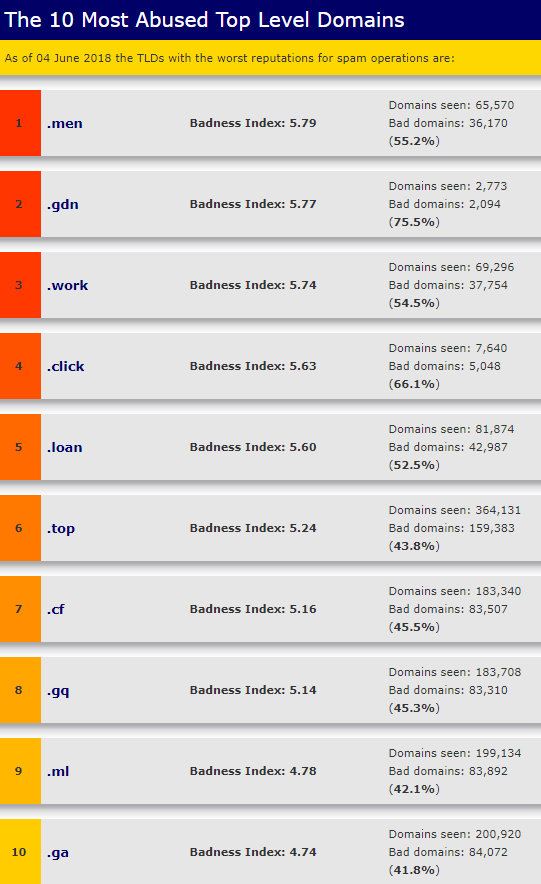
Bad .Men at .Work. Please Don’t .Click

Credit to Author: BrianKrebs| Date: Mon, 11 Jun 2018 14:42:39 +0000

Web site names ending in new top-level domains (TLDs) like .men, .work and .click are some of the riskiest and spammy-est on the Internet, according to experts who track such concentrations of badness online. Not that there still aren’t a whole mess of nasty .com, .net and .biz domains out there, but relative to their size (i.e. overall number of domains) these newer TLDs are far dicier to visit than most online destinations.

Read More
IndependentKrebs

Adobe Patches Zero-Day Flash Flaw

Credit to Author: BrianKrebs| Date: Thu, 07 Jun 2018 16:37:50 +0000

Adobe has released an emergency update to address a critical security hole in its Flash Player browser plugin that is being actively exploited to deploy malicious software. If you’ve got Flash installed — and if you’re using Google Chrome or a recent version of Microsoft Windows you do — it’s time once again to make sure your copy of Flash is either patched, hobbled or removed.

Read More
ComputerWorldIndependent

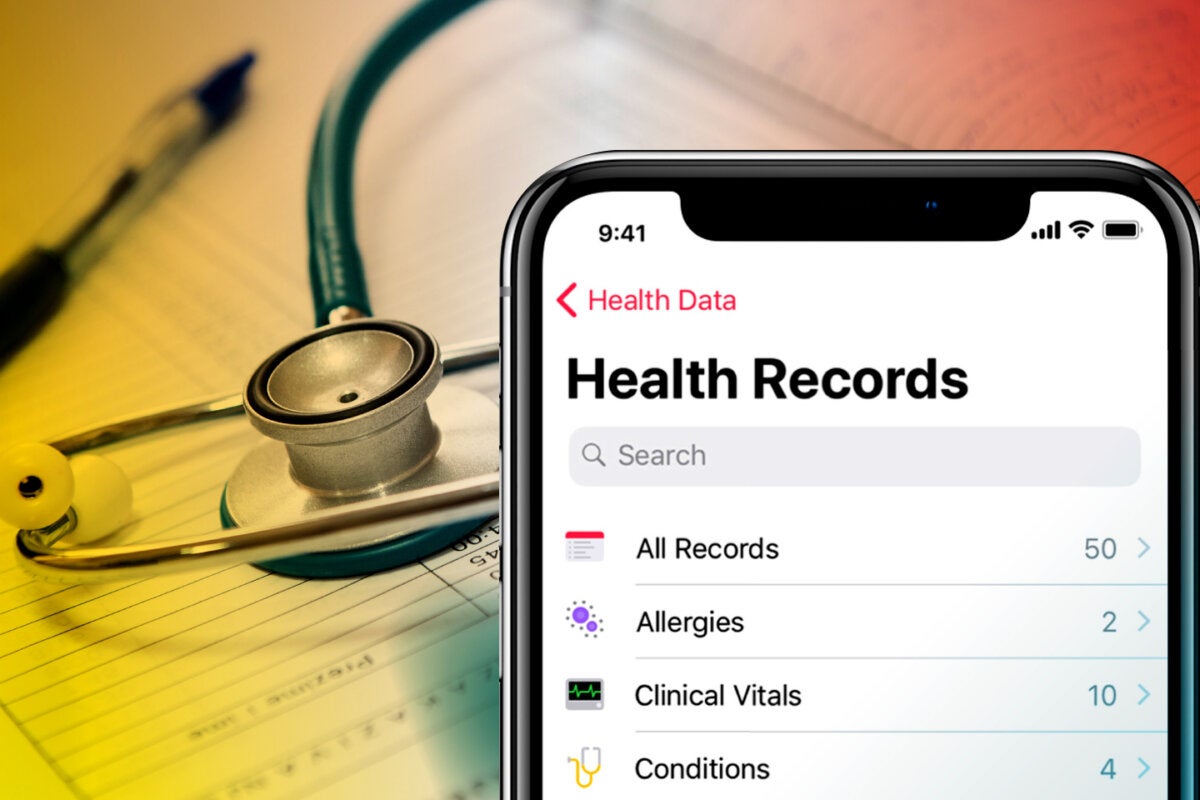
Apple's Health Record API released to third-party developers; is it safe?

Credit to Author: Lucas Mearian| Date: Thu, 07 Jun 2018 03:11:00 -0700

Apple at its Worldwide Developers Conference this week released an API that allows  developers and researchers to create applications that connect to Health Records, a feature released with iOS 11.3 that allows patients to port their electronic health info to mobile devices and share data between care providers.

While the move promises to streamline the sharing of healthcare data, it also could open the door to that highly sensitive data falling into the wrong hands.

To read this article in full, please click here

Read More
IndependentKrebs

Further Down the Trello Rabbit Hole

Credit to Author: BrianKrebs| Date: Wed, 06 Jun 2018 14:45:13 +0000

Last month’s story about organizations exposing passwords and other sensitive data via collaborative online spaces at Trello.com only scratched the surface of the problem. A deeper dive suggests a large number of government agencies, marketing firms, healthcare organizations and IT support companies are publishing credentials via public Trello boards that quickly get indexed by the major search engines.

Read More